Ultimate Japan Travel Guide: Tips for First-Time Family Visitors
If you want to experience a truly different culture—one that manages to balance neon-lit futurism with the quiet, meditative hum of ancient history—there is no better place to visit than Japan. The culture, the unparalleled politeness of the people, the food, the temples, the seamless transportation, and the endless shopping make it an unforgettable trip. However, if it is your first time visiting, especially with a family in tow, I highly recommend some basic planning to ensure you make the best of your time. Trust me, even with a two-week itinerary, you will leave wishing you had allocated more time to explore this fascinating country.
One article is difficult to cover all the different aspects of planning needed, so I will break it down as much as possible to give you the practical details that make the difference between a stressful trip and a smooth one. Our daughter is eleven now, which is a fantastic age for Japan—she’s tall enough for the rides, curious enough for the history, and hungry enough for the endless supply of convenience store snacks.

While our route consisted of flying from London to Tokyo and returning from Osaka back to London, your options might vary depending on where you are traveling from. The reason this “open-jaw” route works best is that it allows you to avoid circling back to Tokyo, saving you a significant amount of time and the added cost of a return Shinkansen (bullet train) journey. Time is your most valuable currency when traveling with a pre-teen, so spending four hours on a train back to the airport when you could be exploring a new city is a trade-off we happily avoided.
Quick Facts for Your Japan Family Trip
- Best Time to Visit: Late March for cherry blossoms or November for the vibrant autumn leaves.
- Language: English is widely spoken in tourist hubs, but learning “Arigato” (thank you) and “Sumimasen” (excuse me) goes a long way.
- Currency: Cash is still king in many smaller shops, though credit cards are widely accepted now.
- Connectivity: Rent a pocket Wi-Fi at the airport; it’s a lifesaver for navigating train apps.
- Comfort: Bring your most comfortable walking shoes—you will easily clock 20,000 steps a day.
1. Planning and Pre-Departure Prep
The secret to a successful trip with a family is managing expectations. Before we left, we sat down as a family and looked at a map. My wife insisted on a mix of “must-see” sites and “downtime.” We learned early on that trying to cram three temples, a museum, and a shopping district into one day leads to “temple fatigue,” especially for the kid. We decided on a “one major site per day” rule, leaving the afternoons open for wandering.
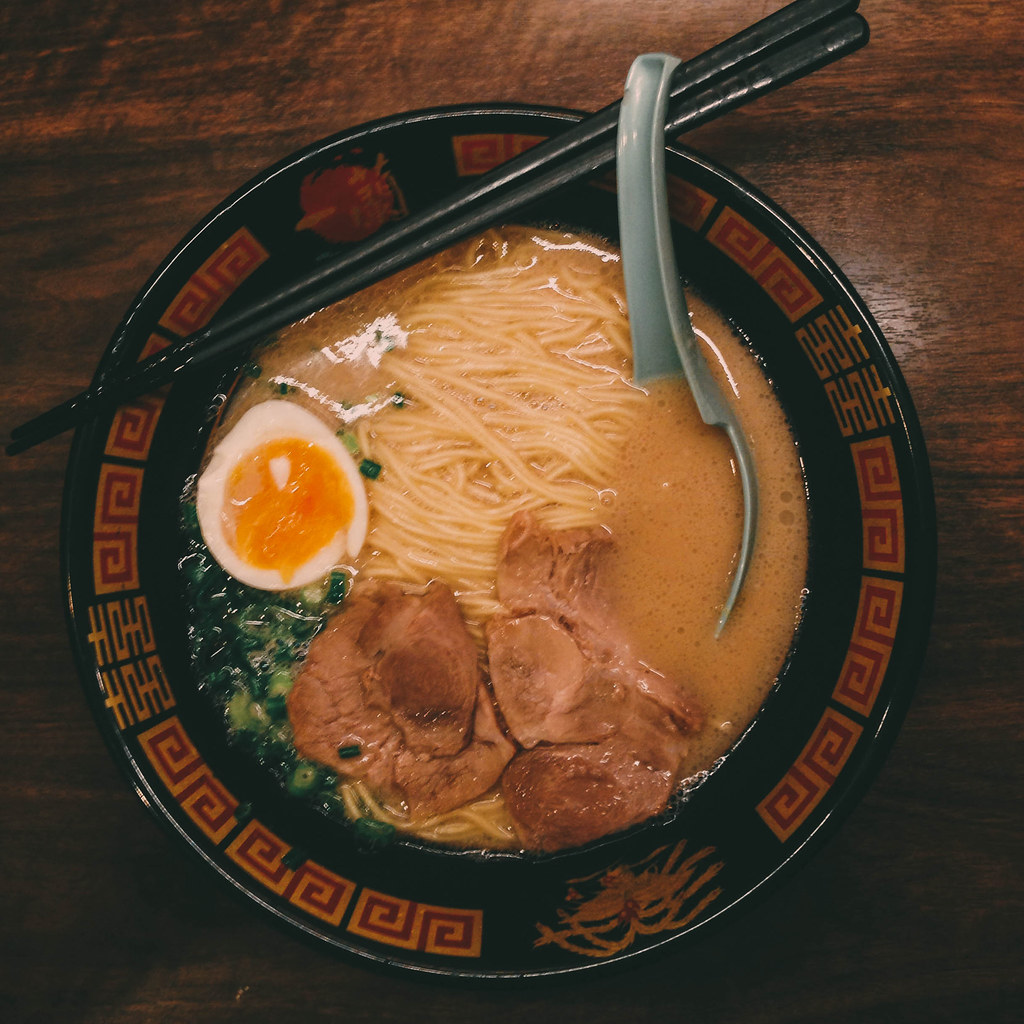
Budgeting is also a major factor. Japan can be surprisingly affordable if you eat like a local. We relied heavily on konbini (convenience stores like 7-Eleven or Lawson) for breakfasts and quick lunches. You haven’t lived until you’ve tried a high-quality egg salad sandwich or a warm rice ball from a Japanese convenience store. For dinner, we looked for family-friendly ramen shops or conveyor-belt sushi joints, where the ordering process is automated and the food is delivered at lightning speed.
2. Landing in Tokyo: The Arrival Ritual
Landing at Narita or Haneda can be overwhelming, but the Japanese efficiency is legendary. The moment you step off the plane, you’ll notice the silence. Even in a crowded terminal, there’s a sense of order. Your first stop should be the service desk to pick up your pre-ordered pocket Wi-Fi and your Suica or Pasmo cards. These are stored-value, tap-and-go cards that work on almost all public transport. Watching our daughter figure out how to tap the gate and navigate the turnstiles became a fun game for her—it made her feel like a local commuter.
Getting into the city via the train is an adventure in itself. The colors, the maps, and the sheer volume of people can be intense, but the signage is excellent. If you have bulky luggage, don’t be afraid to use the luggage forwarding service (Takkyubin). You can send your heavy suitcases from the airport directly to your hotel for a very reasonable price. It was a game-changer for us, allowing us to head straight to a park or a cafe without hauling gear through the subway.
3. Exploring the Sites of Tokyo
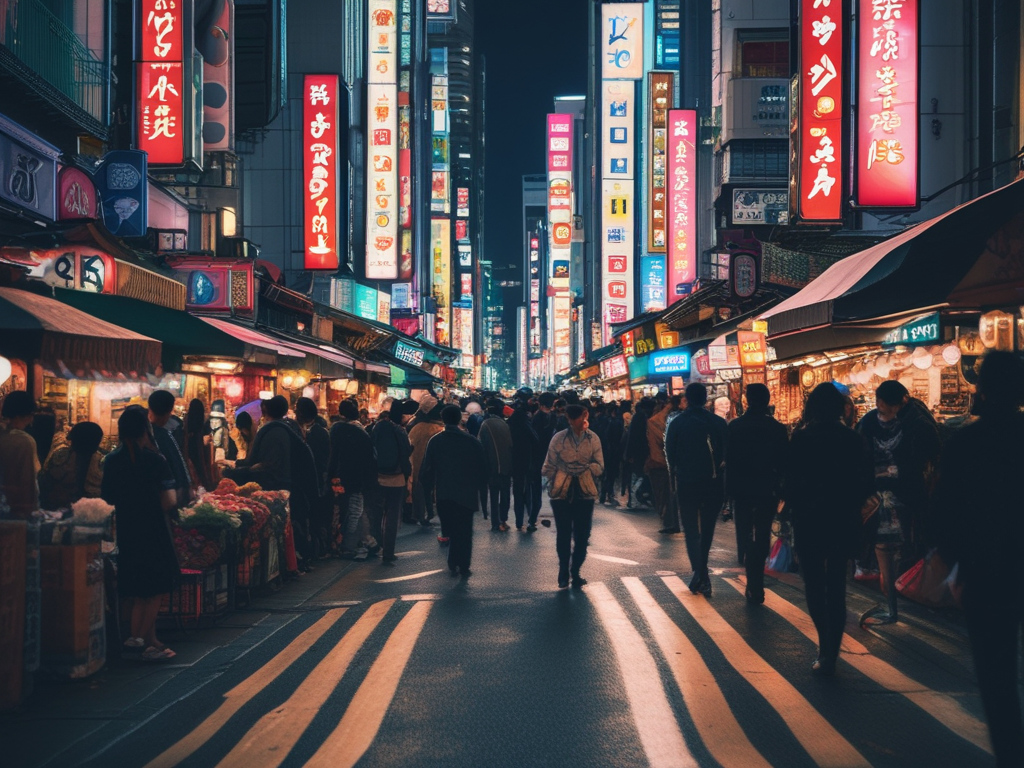
Tokyo is not one city; it’s a collection of unique villages. We spent our first few days in Shibuya and Shinjuku. The sensory overload of the Shibuya Crossing is real—the lights, the music, the massive screens—but there is a beautiful rhythm to it. Our daughter was mesmerized by the sheer number of people crossing simultaneously without bumping into one another.
We also made time for the quieter side of the city. Meiji Jingu Shrine provided a necessary escape from the urban density. Walking through the towering wooden torii gates into a forest that feels centuries away from the city was a spiritual experience for us all. The smell of cedar and the sound of gravel crunching under our feet provided a much-needed mental reset. One tip: wear socks you don’t mind showing, as you will be taking your shoes off frequently at various sites and some traditional restaurants.
4. The High-Speed Journey to Osaka
Taking the Shinkansen to Osaka is a rite of passage. We bought “Ekiben”—bento boxes sold at the station—to eat on the train. Watching the Japanese countryside blur past at 300 kilometers per hour while eating a beautifully prepared box of grilled salmon and pickles is a core memory for our family. The kid loved seeing the Shinkansen “nose” at the station; she couldn’t believe how aerodynamic it looked compared to our trains back home.
When you arrive in Osaka, you’ll notice the vibe is different. It’s louder, friendlier, and the food culture is centered around street eating. Dotonbori at night is a neon-lit feast for the senses. We stood by the canal, smelling the grilled takoyaki (octopus balls) and watching the massive mechanical crab signs move above us. It felt like walking through a cyberpunk movie set.
5. Exploring Osaka, Nara, and Kyoto
Osaka serves as a perfect hub. From here, a short train ride takes you to Nara, where the wild deer roam the park. Be warned: those deer are bolder than they look! Our daughter initially loved feeding them the special crackers, but when a particularly hungry deer started following her for more, she quickly learned to keep her distance. It’s a hilarious memory now, but keep an eye on your snacks.
Kyoto is the heart of traditional Japan. We spent a full day at Fushimi Inari, walking through the thousands of vermilion torii gates. We arrived at 7:00 AM to beat the crowds, which I highly recommend. The silence of the mountain as we hiked higher was magical. Seeing the sunlight filter through the orange gates is something I will never forget. If you go, take the time to hike a bit further up; the crowds thin out significantly, and you get a much better sense of the history of the place.
6. Things We Skipped (But You Should Consider)
We skipped the Robot Restaurant in Tokyo, as it had become a bit too “touristy” for our taste, and we opted to spend more time in smaller, local parks instead. We also didn’t make it to Hakone to see Mount Fuji, which is our biggest regret. If you have the extra time, definitely add an overnight stay in a Ryokan (a traditional inn) in a mountainous area. The experience of sleeping on tatami mats and soaking in an onsen (hot spring) is the ultimate Japanese cultural immersion.
Another thing to consider is a day trip to Hiroshima. It’s a sobering, moving experience, but one that is very educational for children in the right age bracket. We felt our daughter wasn’t quite ready for the gravity of the Peace Memorial Museum, so we saved that for a future trip when she is a little older.
Reflections on the Journey
Japan is a country that rewards the curious. It’s a place where you can find a Michelin-starred meal in a basement and a stunning, perfectly maintained 400-year-old temple just a few blocks away. My biggest piece of advice is to leave room for the unexpected. Sometimes the best part of the day wasn’t the famous shrine we planned to visit, but the small, unnamed alleyway where we found a tiny shop selling handmade stationary or the vending machine that served hot corn soup on a cold afternoon.
Traveling as a family of three brings its own set of challenges—tired legs, different interests, and the occasional hangry meltdown—but Japan makes it easy to handle. The infrastructure is so reliable and the people are so inherently helpful that you never feel truly lost. If you are debating whether or not to take the leap and book that flight, my answer is a resounding yes. Your family will return with full stomachs, expanded horizons, and a deep respect for a culture that truly values harmony and detail. We are already planning our return trip, and I have a feeling we’ll be discovering new corners of this country for many years to come.

2 thoughts on “Ultimate Japan Travel Guide: Tips for First-Time Family Visitors”