Exploring the Beauty of Ashridge Woodlands and Dockey Woods
Our family has always found that the best memories aren’t made in crowded theme parks or busy city centers, but rather in the quiet, dappled light of an ancient forest. During our recent getaway to Hertfordshire, we had the pleasure of visiting two of the most picturesque woodland areas in England: Ashridge Woodlands and the nearby Dockey Woods. Both locations offered a serene escape from the hustle and bustle of everyday life, providing us with the kind of slow-paced, intentional time that we crave as a family.
Ashridge Woodlands: A Tranquil Retreat for All Ages
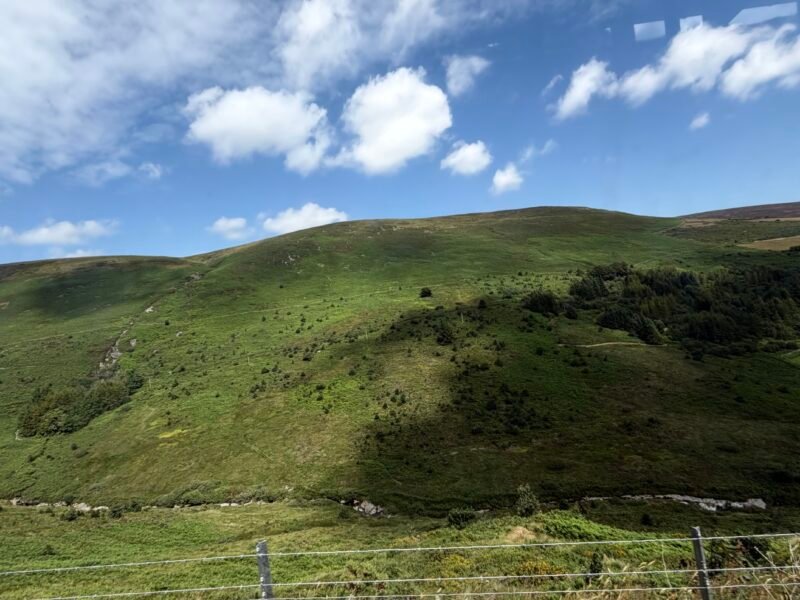
Ashridge Woodlands, part of the extensive Ashridge Estate managed by the National Trust, is a vast expanse of ancient woodlands, rolling chalk downlands, and lush meadows. Located near Berkhamsted, this area is a true haven for biodiversity and a perfect spot for nature lovers—even those with an 11-year-old who usually prefers her tablet to a hiking trail.
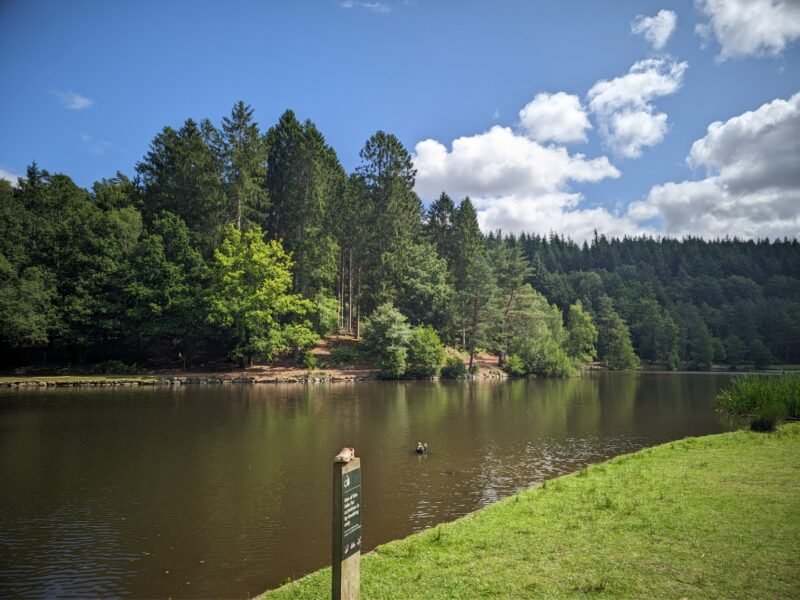
Upon arriving at Ashridge, we were immediately struck by the sheer scale of the landscape. The towering trees felt like the pillars of a cathedral, and the air smelled crisp, clean, and earthy. The well-maintained trails made it easy for us to explore the area without needing a map every five minutes, which is a massive win when you have a kid in tow who is prone to “hiker’s hunger” every hour.
One of the highlights of our visit was the gentle hike to the Bridgewater Monument. Built in 1832 to commemorate the third Duke of Bridgewater, the structure is a local icon. My wife and I were content just looking at it from the ground, but our daughter was determined to climb the 172 steps to the top. The climb is a bit of a workout—the spiral staircase is narrow and dark—but the reward is a breathtaking panoramic view of the surrounding Chiltern Hills. Standing at the top, seeing the countryside stretch out like a green patchwork quilt, was the exact kind of “wow” moment we travel for.
As we wandered back down through the woodlands, we encountered a variety of wildlife. We spent a good ten minutes standing perfectly still, watching a small herd of fallow deer grazing in a clearing near the edge of the woods. It was one of those moments where the world just stops. The kid was whispering at a volume she thought was quiet, but was actually audible to everyone within a mile, asking if the deer had names. The tranquility of Ashridge was a refreshing change, allowing us to put our phones away and actually listen to the rustle of the leaves and the distant call of a woodpecker.
Dockey Woods: A Bluebell Wonderland
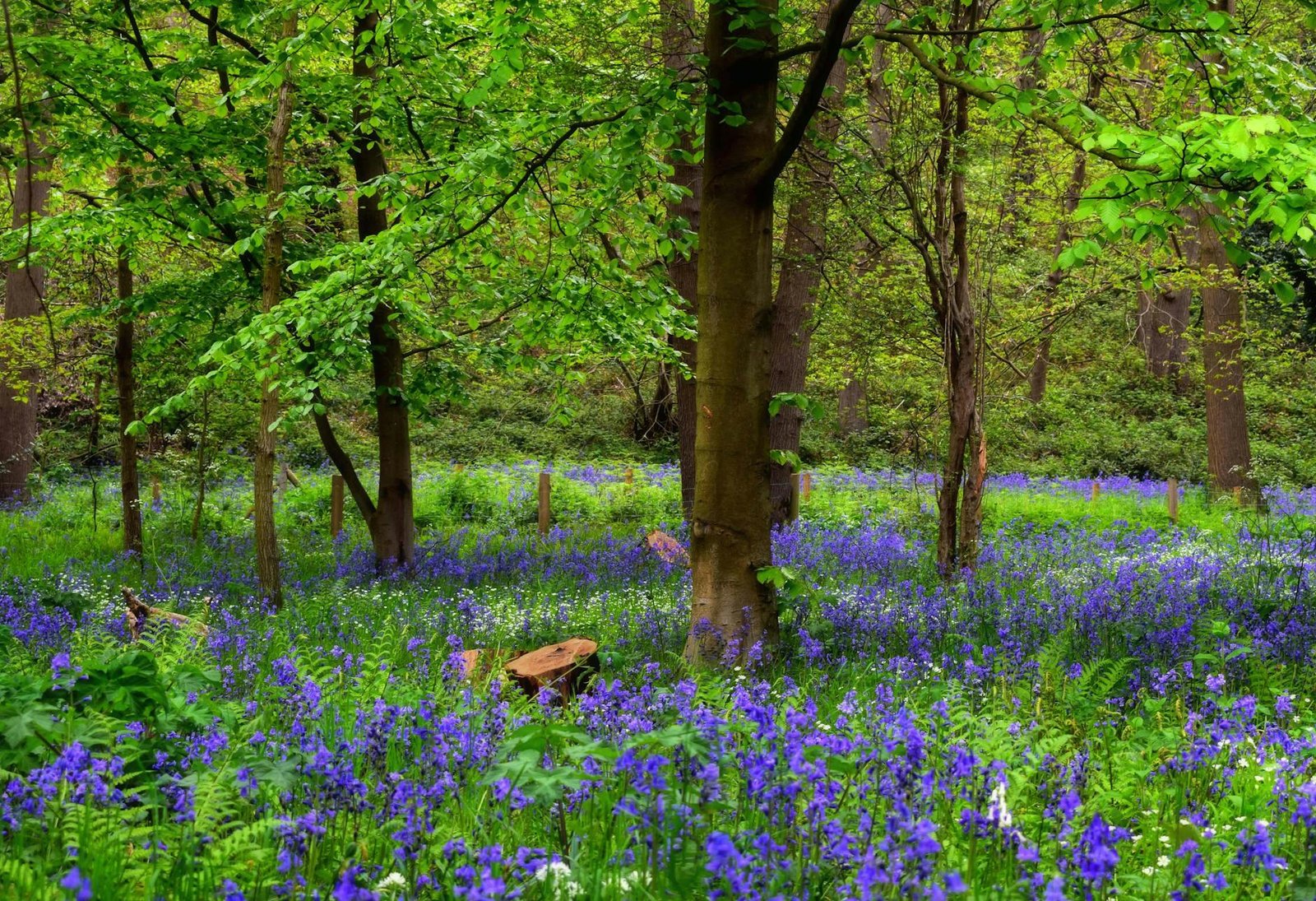
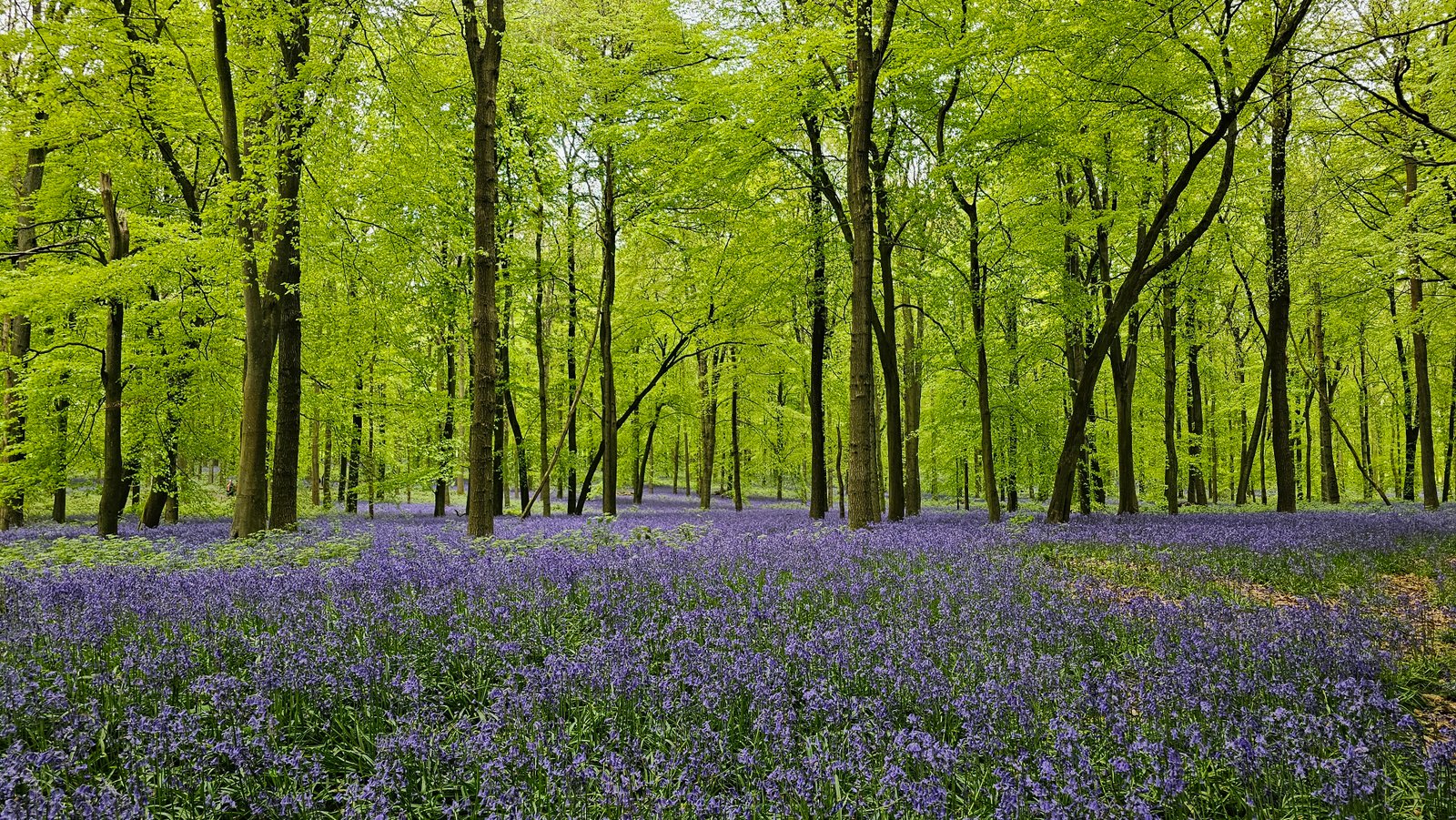
Just a short drive from the main Ashridge hub lies Dockey Woods, a place so enchanting it feels like it was plucked straight out of a storybook. This area is world-renowned for its spectacular bluebell displays in the spring. If you can, try to time your visit for late April to early May. Stepping into the woods during this time is like walking into a painting; the forest floor is entirely carpeted in a vibrant, deep violet-blue.
Our timing was perfect this year. We arrived early on a Saturday morning to beat the crowds, and the silence of the forest was broken only by the sound of our boots on the mulch. The fragrance of the bluebells—a sweet, delicate, and almost honey-like scent—was intoxicating. Our daughter was thrilled to run along the designated paths, carefully avoiding the flowers while pointing out where the bluebells were thickest. She kept saying it looked like the ground had been painted by a giant brush, and frankly, she wasn’t far off.
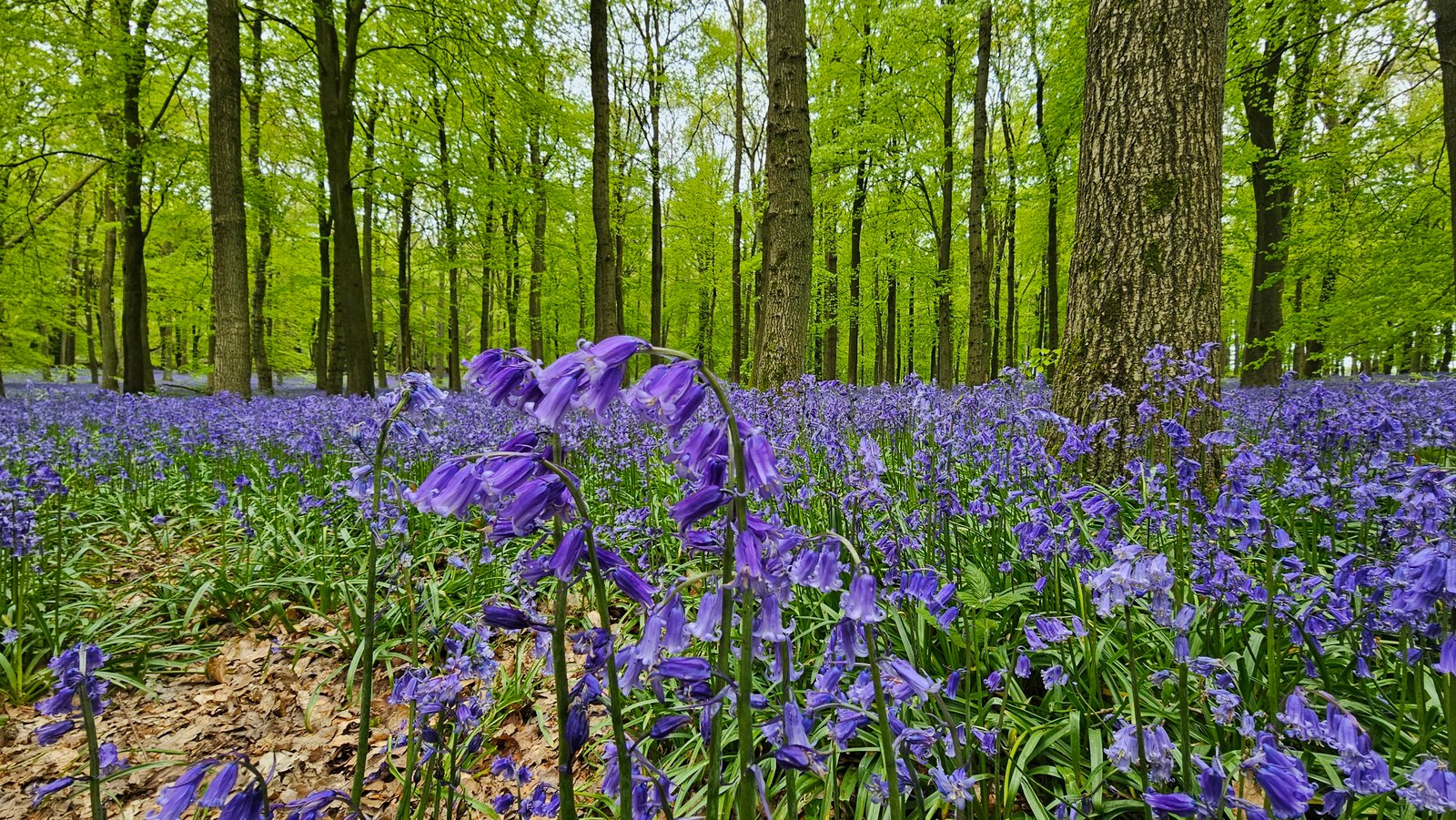
We took our time exploring the various trails, taking dozens of photos to capture the fleeting beauty. Dockey Woods is a magnet for photographers, and we could see why. The interplay of light and shadow among the bluebells and the tall, silver-barked trees created a mesmerizing, ethereal effect. We had a bit of a mishap when my wife tried to set up a tripod and accidentally backed into a low-hanging branch, but we laughed about it for the rest of the afternoon. It’s those imperfect, candid moments that make the trip memorable.
Practical Tips for a Family Day Out
To make the most of your visit, a little planning goes a long way. We learned a few things the hard way, so take these notes to heart:
- Parking: Parking at Ashridge is managed by the National Trust. It is free for members, but non-members will need to pay via the app or at the machines. Dockey Woods has its own smaller parking area nearby, but it fills up incredibly fast during bluebell season. Get there early—before 10:00 AM if possible.
- Footwear: The trails can be muddy, even in spring. Make sure everyone has sturdy, waterproof boots. You don’t want the day ruined by soggy socks.
- Food and Drink: There is a café near the Ashridge visitor center, but it can get very busy. We prefer to pack a “picnic feast”—usually crusty bread, local cheese, some fruit, and a thermos of hot cocoa. Eating in the woods tastes infinitely better than eating in a crowded café.
- Etiquette: Please, please stick to the paths. The bluebells are incredibly delicate, and stepping on them can damage the bulbs for years to come. Teach the kids that the flowers are “look, don’t touch” treasures.
- Facilities: There are toilets at the Ashridge visitor center, but keep in mind that once you head deep into the woods, you are on your own. Plan your breaks accordingly!
Why We Keep Coming Back
Combining a visit to Ashridge Woodlands with a trip to Dockey Woods made for an absolutely perfect day. Both locations offered a unique blend of physical activity and natural beauty that left us all feeling recharged. The peaceful atmosphere of the ancient trees and the fleeting, magical color of the bluebells provided us with a much-needed break from our screens and a chance to truly bond as a family.
Whether you’re an avid hiker, a wildlife enthusiast, or just a family looking for a beautiful place to spend a Saturday, these woodlands are a must-visit. Pack a picnic, charge your camera, and prepare to be enchanted. We left with tired legs, muddy boots, and a deep appreciation for the serene, quiet beauty of the English countryside. We’re already planning our return for the autumn, when the leaves turn to gold, and we can’t wait to see the forest in a completely different light.