Family Adventure in Tokyo: Mastering the Suica Card and Train Navigation
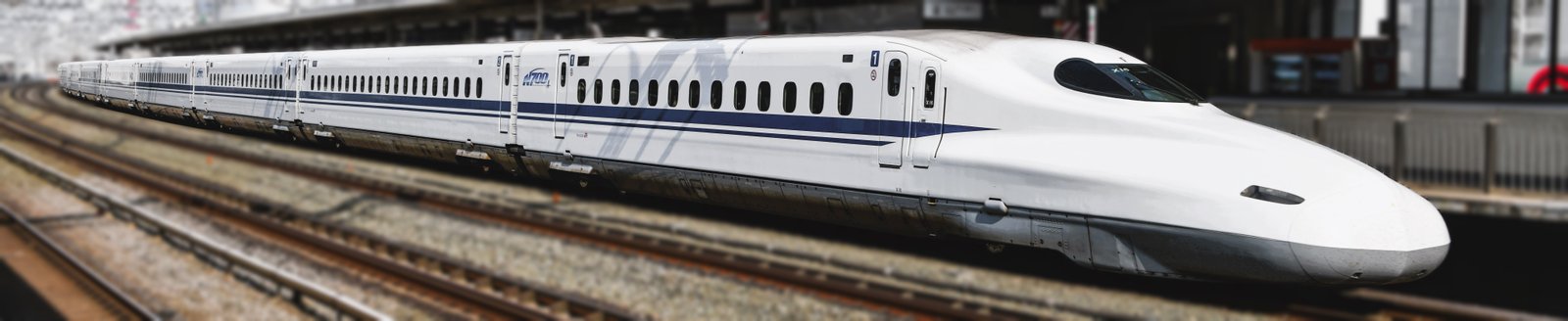
Konnichiwa, fellow travelers! If you are currently staring at a map of Tokyo’s rail network—that dizzying spiderweb of lines, colors, and numbers—take a deep breath. We’ve been there. When we first arrived with our 11-year-old daughter, the sheer scale of the train system felt like trying to solve a Rubik’s Cube at top speed. But here is the secret: once you get the hang of it, Tokyo’s transport is perhaps the most magical part of the city. It’s clean, it’s clockwork-precise, and it is the key to unlocking an incredible family adventure.
The secret weapon for every traveling family is the Suica card. Think of it as your golden ticket to the city. It’s a rechargeable, contactless smart card that eliminates the need to fumble with coins or try to decipher ticket prices at a vending machine every time you need to hop on a line.
Getting Started: Your First Day in Tokyo
Upon landing at Narita or Haneda, your first mission is to grab your cards. Head straight to the JR East Travel Service Center or the automated ticket machines. If you have an iPhone, you can actually add a Suica card directly to your Apple Wallet before you even leave home. This was a total game-changer for us—no physical cards to lose, and my wife could top them up instantly from her phone while we were waiting for the train.
If you prefer the physical card, they are sturdy little things. We loaded ours with about ¥3,000 to start. That covers your initial trip into the city and a few local rides. Don’t worry about over-loading; you can use the remaining balance at almost any convenience store—like 7-Eleven, Lawson, or FamilyMart—to buy snacks. Our daughter quickly discovered that the Suica card is the “magic key” for buying her favorite strawberry milk from the vending machines inside the stations.
The Sensory Experience of Tokyo Rails
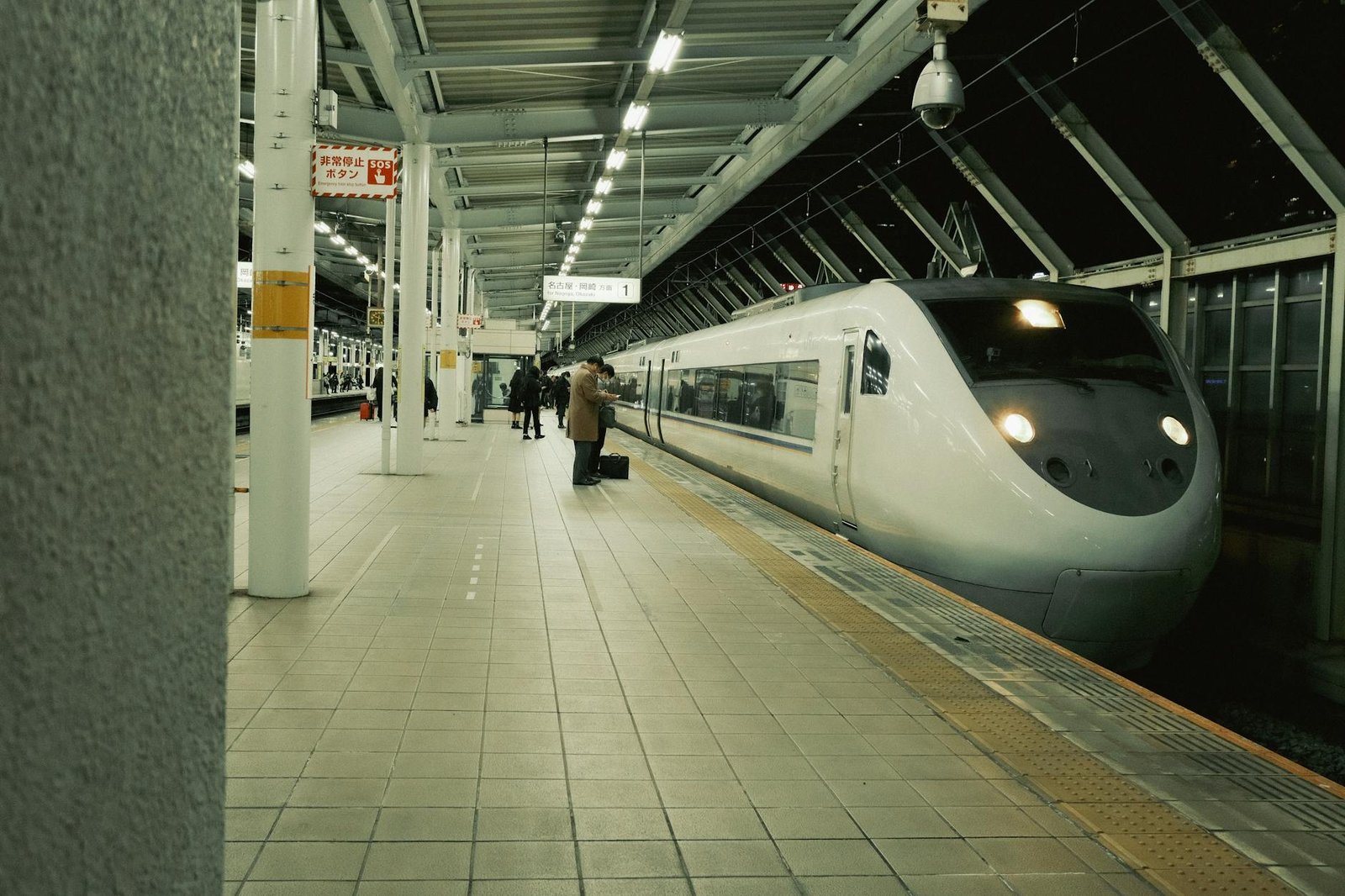
There is something undeniably rhythmic about the Tokyo train experience. As we descended into the stations, the first thing that hit us was the sound—the gentle, melodic chimes that play when a train pulls into the platform. Each station has its own unique jingle. Our daughter started making a game of guessing which station we were at just by listening to the melody.
The stations are bustling, yet orderly. Despite the millions of people, you rarely hear shouting. Instead, you hear the soft rustle of commuters and the rhythmic *tap-tap-tap* of thousands of people tapping their cards on the turnstiles. The smell is faint—a mix of high-speed electricity and the occasional delicious scent of warm pastries from the bakery stalls tucked into the station walls. It’s an urban symphony that makes you feel like you are at the heart of the world’s most efficient city.
Navigating the Network: A Family Itinerary
Once you have your Suica, the city is your playground. Here are the routes that made our trip unforgettable:
- Tokyo Disneyland and DisneySea: Take the JR Keiyo Line from Tokyo Station to Maihama Station. It’s a smooth, 15-minute ride. We found that going mid-week keeps the crowds manageable.
- Ueno Park and Zoo: Use the iconic green Yamanote Line. It’s a loop that hits most of the major hubs. The park is sprawling, and our daughter loved seeing the pandas after the short train ride.
- Senso-ji Temple: From Ueno, the Ginza Line (the orange one) is your best friend. Getting off at Asakusa puts you right in the middle of the historic district. The contrast between the modern subway and the ancient temple gates is startling.
- Odaiba: For a view of the city, take the Yurikamome Line from Shimbashi. It’s an automated train that snakes over the Rainbow Bridge. Grab the front seat—the kid will be glued to the window as you glide over the water.
Practical Tips for Parents
Tokyo trains are remarkably family-friendly, but there are a few things to keep in mind to keep your stress levels low. First, avoid the “Rush Hour.” Between 7:30 AM and 9:00 AM, and again around 5:30 PM, the trains are packed tight. As a family, we made it a rule to enjoy a slow breakfast and head out around 10:00 AM. It made our travels much more comfortable.
If you are traveling with a stroller, look for the elevators. Every station has them, though they can sometimes be tucked away at the far end of the platform. Follow the signs—the staff are incredibly helpful if you look lost. Also, keep an eye out for the “women-only” cars during peak hours if you are traveling with your daughter; they are clearly marked on the platform floor and the windows of the train.
Quick Facts: Everything You Need to Know
- Cost: A ¥500 refundable deposit is required for a new physical Suica card.
- Capacity: You can load up to ¥20,000 on a single card.
- Versatility: Use it for JR lines, subways, private railways, buses, and even lockers.
- Connectivity: Download the “Japan Transit by Jorudan” app. It’s much more accurate than generic maps and shows you exactly which platform you need.
- Etiquette: Keep your voices low, set your phone to “manner mode,” and please, no eating or drinking on the trains.
Honest Reflections
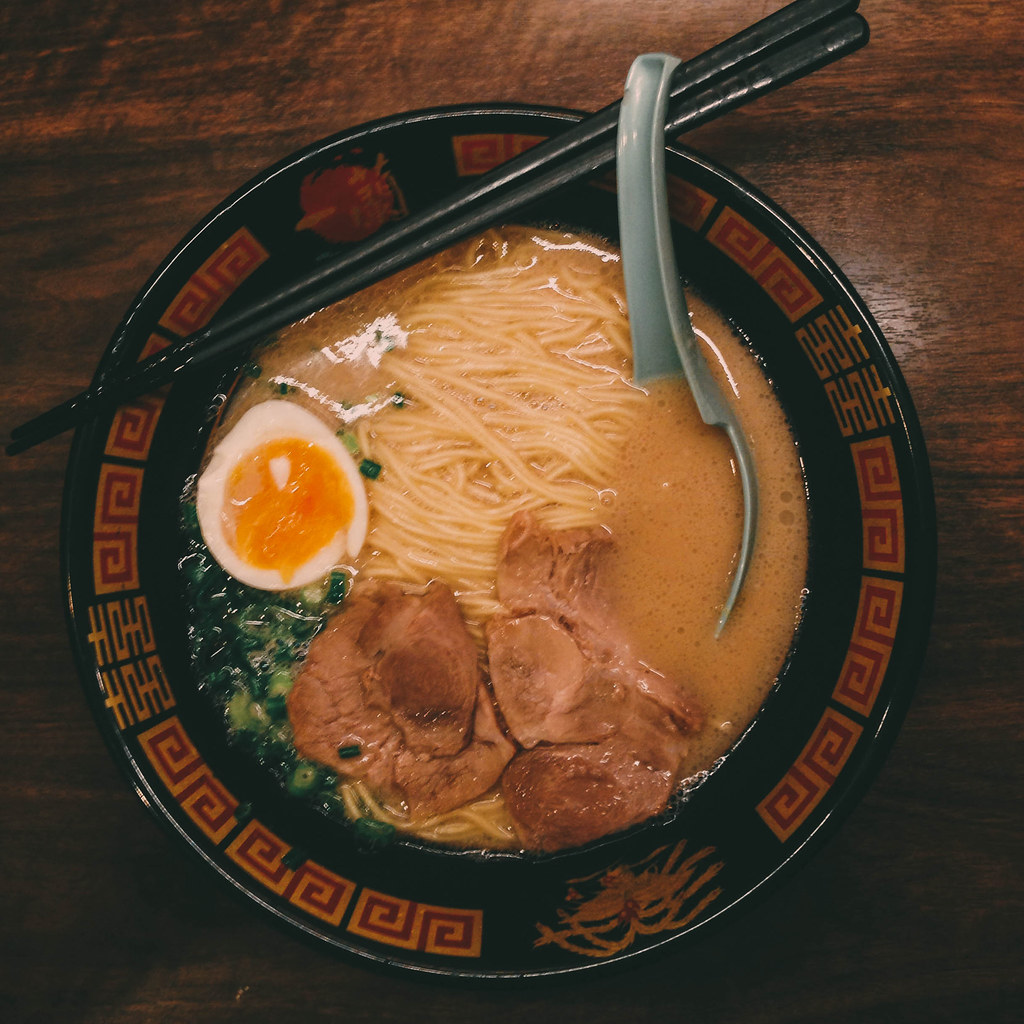
Did we get lost? Absolutely. We once took the Yamanote Line in the wrong direction and ended up on a scenic tour of the western suburbs. But honestly? It was one of our favorite moments. We ended up in a quiet neighborhood, found a tiny noodle shop with only six seats, and had the best bowl of ramen of the entire trip. The owner didn’t speak much English, and we didn’t speak much Japanese, but a smile and a bowl of steaming broth bridged the gap perfectly.
Traveling with an 11-year-old means finding the balance between “must-see” sights and “I’m tired” moments. The train system allowed us that flexibility. If she was tired, we hopped on a train, sat down for twenty minutes, and watched the city blur by. It gave us time to talk, to plan our next snack, and to just be together.
Conclusion
Tokyo can feel intimidating at first, but with a Suica card in your pocket and a sense of adventure in your heart, you will find it’s one of the most accessible cities in the world. The train network isn’t just a way to get from point A to point B—it’s an integral part of the Tokyo experience. It’s where you see the real city, the real people, and the beautiful, orderly pulse of Japan. So, grab your cards, follow the melodic chimes, and enjoy the ride. Your own Unbounded Horizon is just one train stop away!

One thought on “Family Adventure in Tokyo: Suica Card and Train Navigation”
Comments are closed.