Exploring the Unique Blend of Modern and Traditional Tokyo
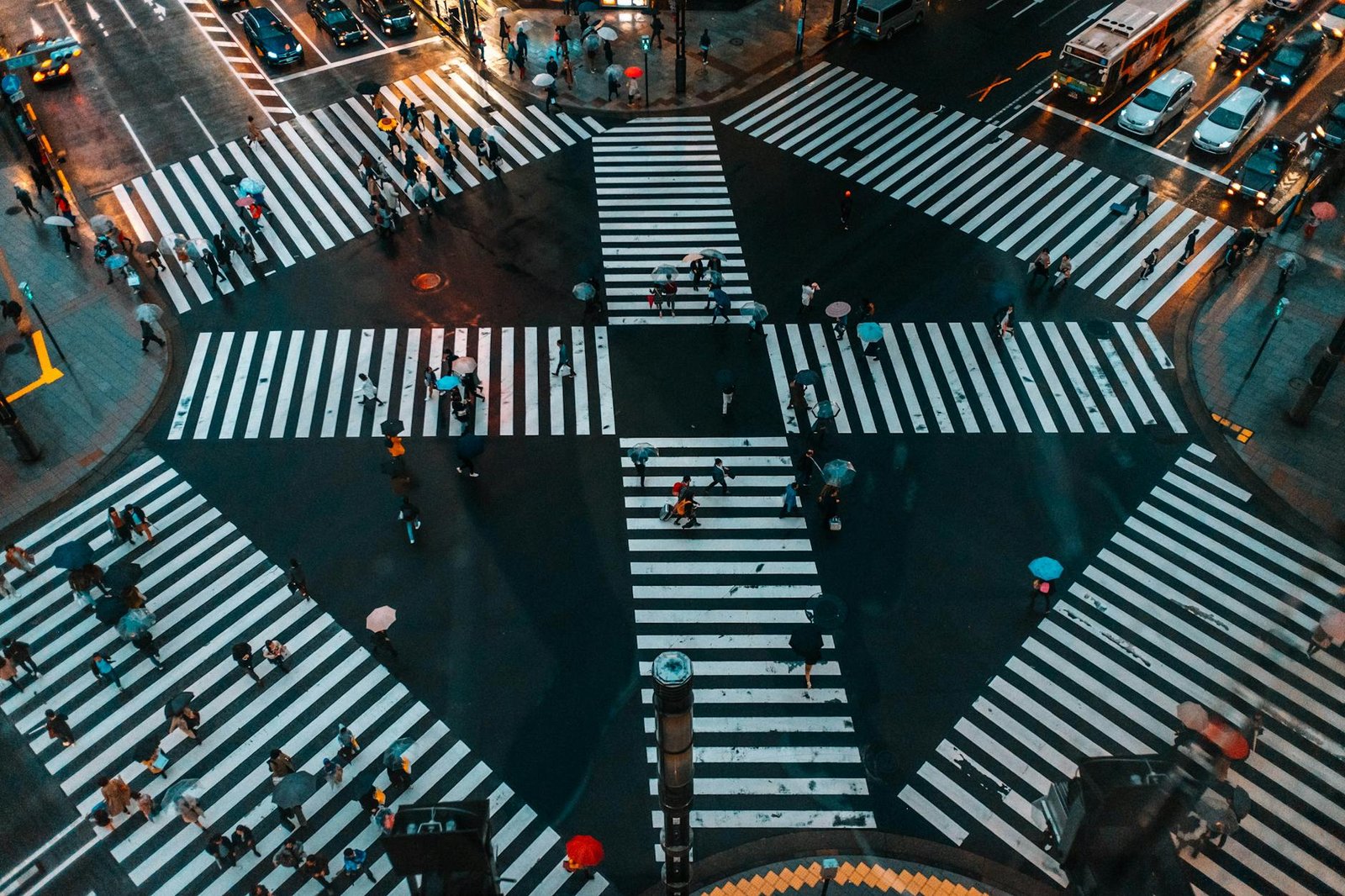
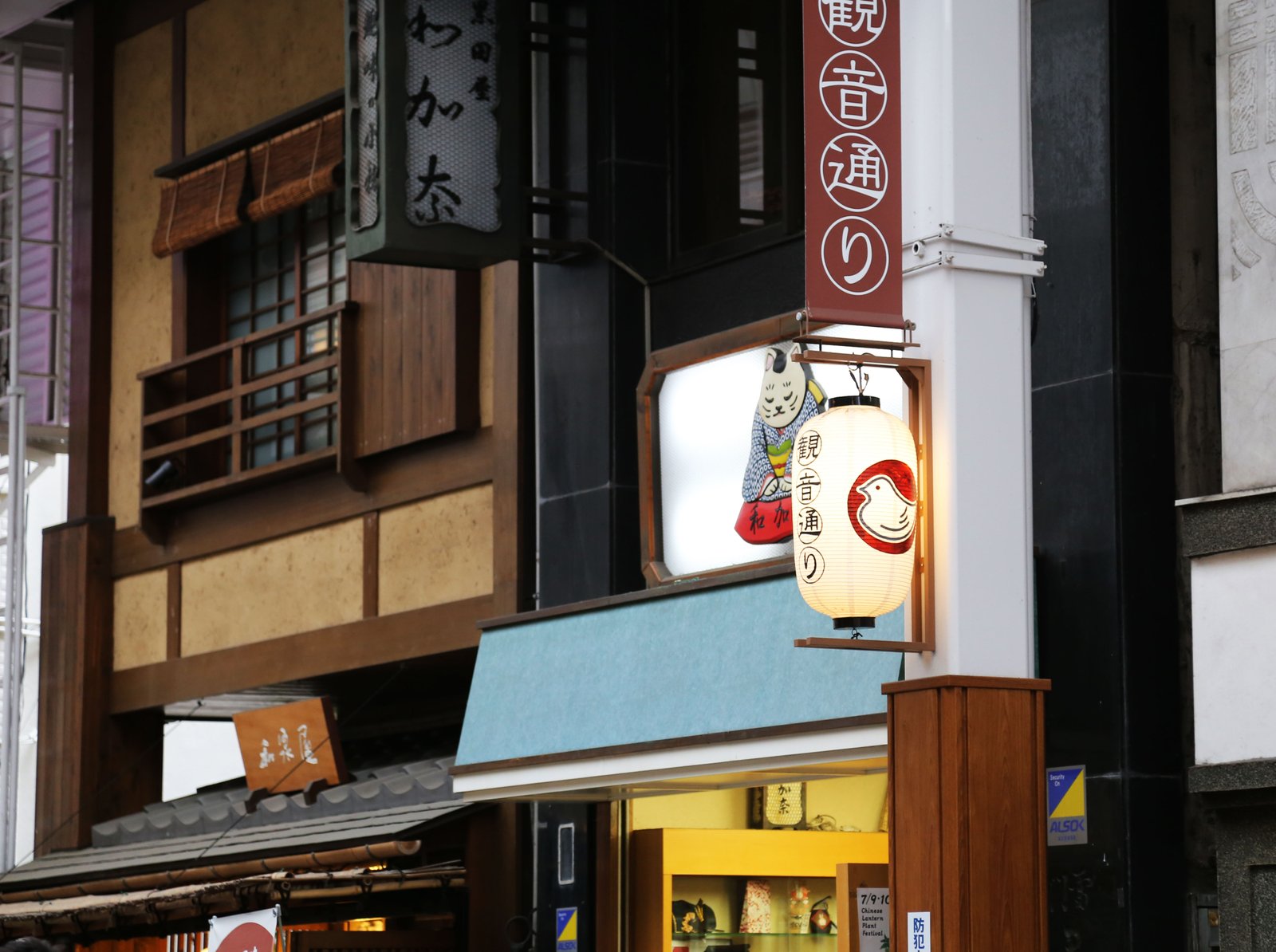
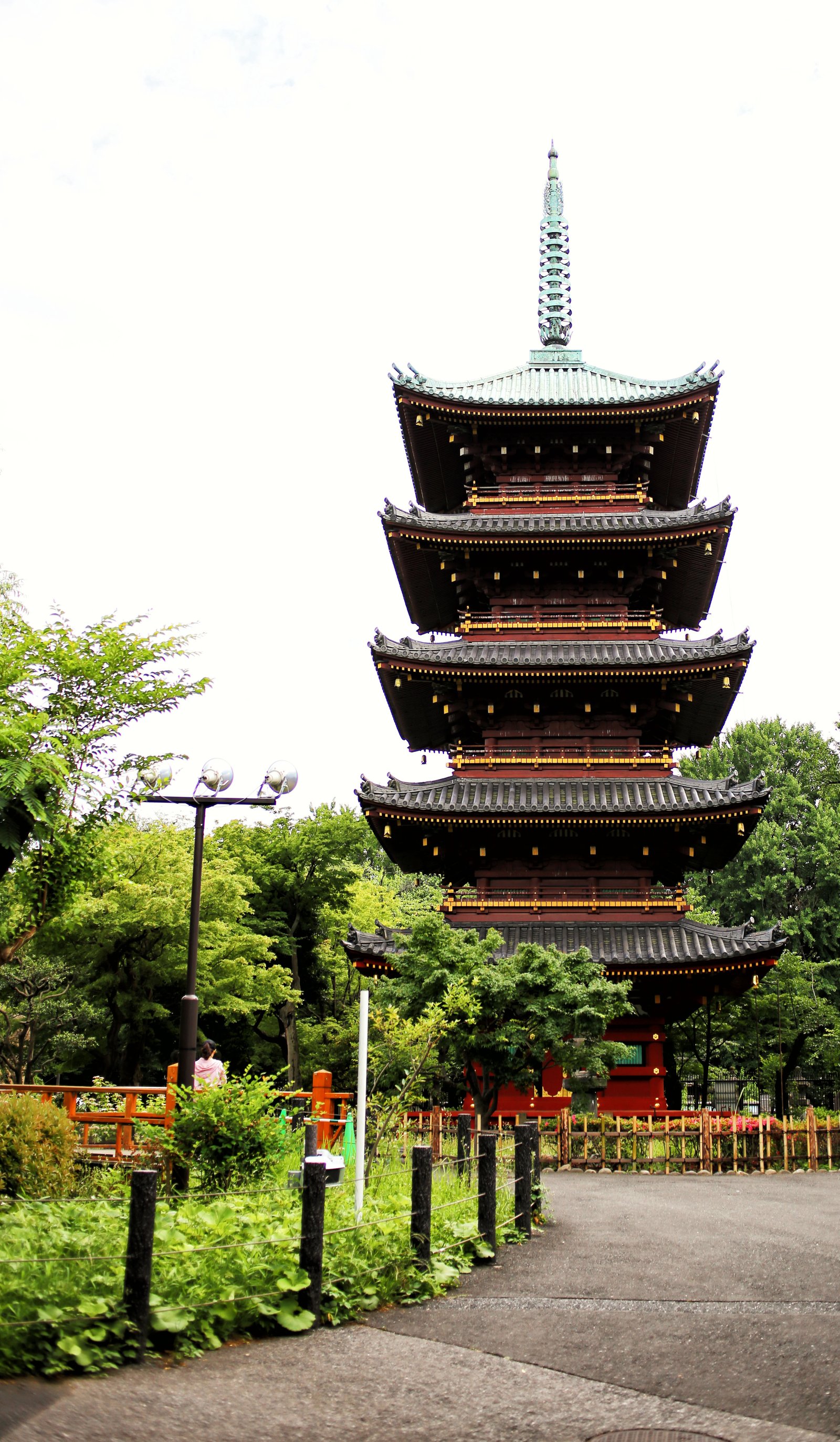
Tokyo, a city of striking contrasts, offers a unique walking experience that beautifully blends the old with the new. As you stroll through its streets, you’ll encounter towering modern business buildings juxtaposed with ancient, serene temples, creating a captivating urban tapestry. For our family, Tokyo wasn’t just a destination—it was a lesson in how a city can move at the speed of light while keeping one foot firmly planted in centuries of tradition.
We spent a week navigating the capital, and while the subway system is world-class, we found that the true soul of Tokyo is discovered at ground level. Walking allows you to notice the tiny details: the perfectly manicured bonsai trees on a balcony, the scent of roasting green tea drifting from a storefront, and the polite “irasshaimase” (welcome) calls from shopkeepers.
Iconic Shibuya Crossing: The Pulse of the City
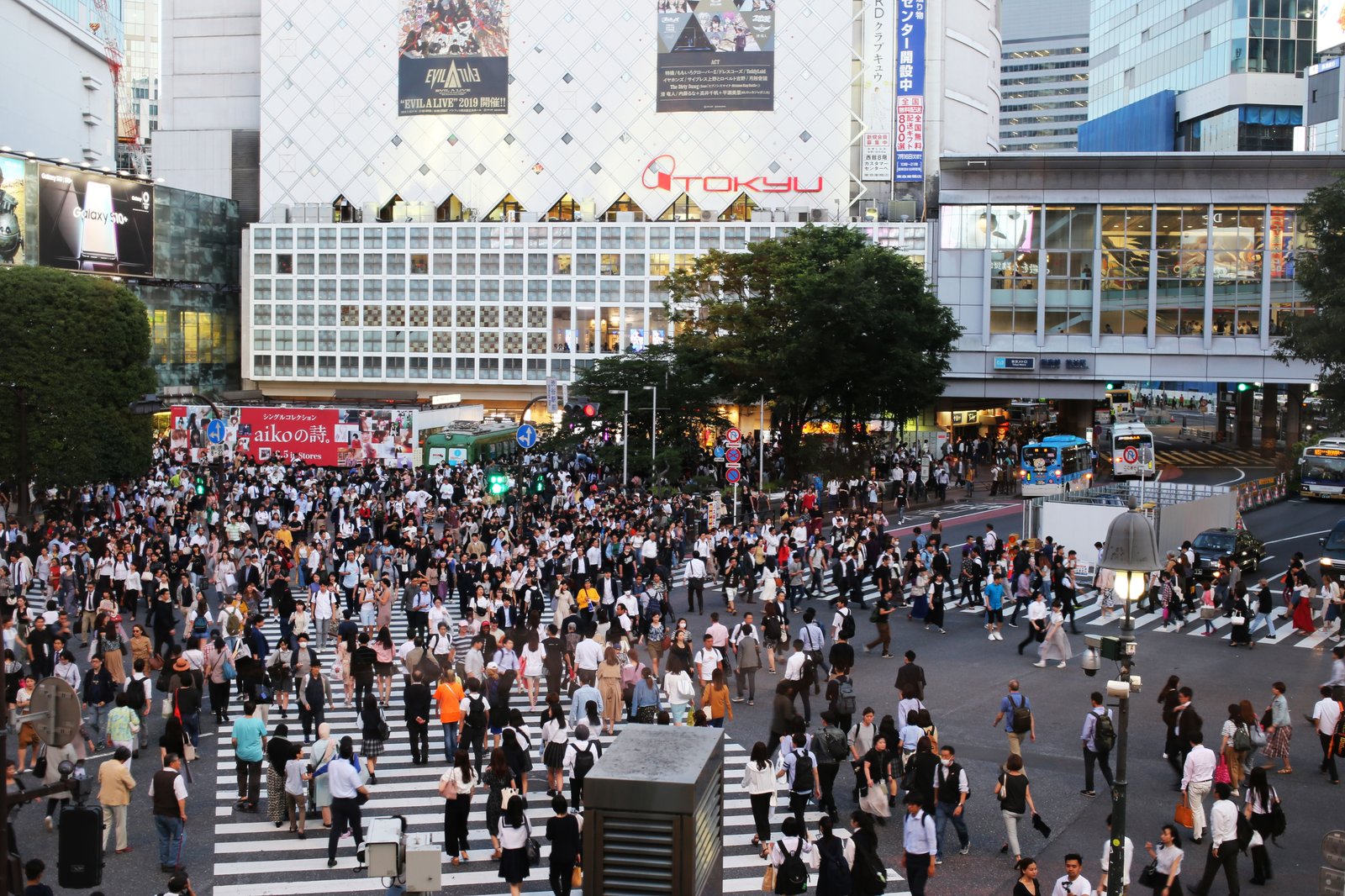
No visit to Tokyo is complete without experiencing the world-famous Shibuya Crossing. This bustling intersection, often likened to Times Square in New York City but with a distinct, orderly Tokyo flair, is a sensory overload of neon lights and thousands of people moving in perfect harmony. Our daughter was absolutely mesmerized. She stood at the edge of the curb, waiting for the light to change, and when the signal turned green, she laughed as the entire crowd surged forward like a synchronized wave.
The Starbucks located across from the crossing is a popular spot for tourists, offering a prime vantage point from its upper-floor windows. However, a local tip: if it’s too crowded, try the walkway between the Shibuya Mark City and the JR station. It offers a slightly elevated view that is often less packed. For the best experience, visit in the evening when the city truly comes alive. The glow of the massive advertisements reflects off the wet pavement after a light rain, creating a cinematic atmosphere that is perfect for photography.
Exploring the Alleyways and Culinary Delights
One of the most charming aspects of Tokyo is its intricate network of alleyways, or yokocho. These narrow streets, often tucked away from the main roads of Shinjuku or Ebisu, are lined with tiny, family-run restaurants that seat no more than six or eight people. These eateries, usually operated by one or two people, offer a culinary experience you simply can’t find in a hotel restaurant.
My partner and I were initially worried about bringing our daughter into these cramped, smoky, and intimate spaces. We shouldn’t have been. We found a small yakitori stall where the owner, a man with a friendly grin, let our daughter watch him fan the charcoal flames. We feasted on skewers of succulent chicken, crispy skin, and grilled mushrooms that tasted like earth and smoke. The price? Surprisingly affordable—usually around 150 to 300 yen per skewer. It’s a sensory experience: the smell of charred meat, the sound of sizzling fat, and the laughter of locals unwinding after a long day of work.
Discovering Traditional Temples Amidst Modernity
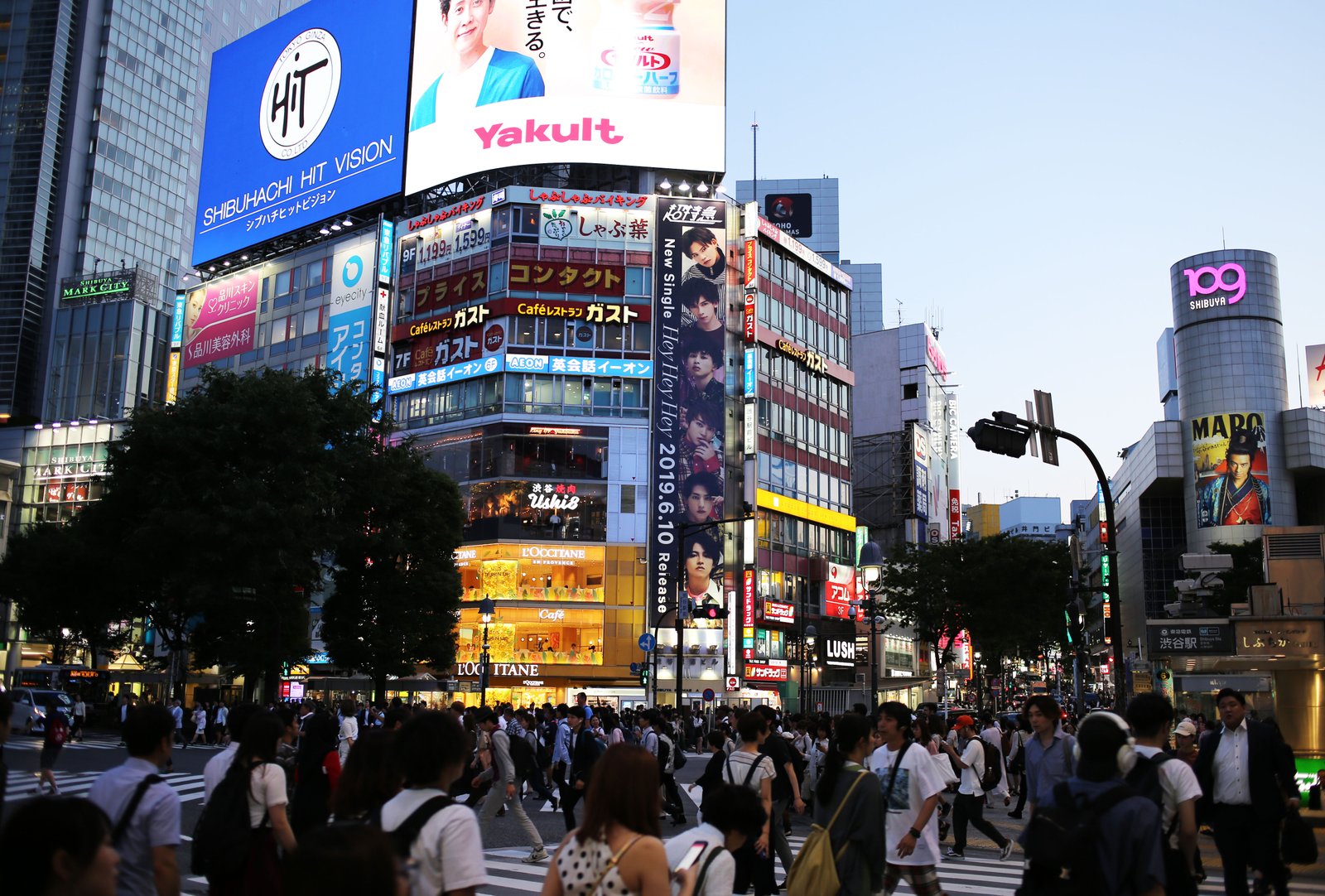
Tokyo’s skyline may be dominated by sleek skyscrapers, but it is also home to many historic temples that offer a tranquil retreat from the urban rush. Sites like the Senso-ji Temple in Asakusa provide a deep glimpse into the city’s soul. We arrived early, around 8:00 AM, to beat the massive crowds. This was a great decision—the air felt cool and still, and the smell of incense smoke hung heavy in the air, creating a meditative environment.
Our daughter loved the Nakamise-dori shopping street leading up to the temple. She spent her allowance on a small, hand-painted daruma doll and tried a warm melonpan (sweet bread) that was crispy on the outside and pillowy soft on the inside. Watching her offer a coin and bow at the temple’s main hall was a poignant moment for us; even at eleven, she seemed to understand the quiet reverence required in that space.
Navigating Tokyo’s Neighborhoods: A Guide for Families
Each neighborhood in Tokyo has its own personality. We found that balancing these areas kept the kid engaged without getting “temple fatigue” or “shopping burnout.”
- Akihabara: A neon-drenched dream for anyone who loves anime or video games. We spent hours in the multi-story arcades. Even if you aren’t a gamer, the sensory input is unlike anything else on earth.
- Harajuku: Visit Takeshita Street for the wild, colorful fashion and the famous rainbow-colored cotton candy. It’s chaotic, loud, and incredibly fun.
- Ginza: We went here for a “fancy walk.” The architecture is stunning, and the department store basement food halls (depachika) are heaven for foodies. You can find everything from high-end bento boxes to delicate wagashi sweets.
Practical Tips for Walking the City
Walking Tokyo requires more than just good shoes. You need a strategy. We quickly learned that the sidewalks can be narrow, and the pace of the locals is fast. Always stick to the left side of the path, and try to keep your group compact to avoid blocking the flow of commuters.
For navigation, Google Maps is incredibly reliable, even for finding the specific exits of massive train stations like Shinjuku. We also made sure to carry a portable Wi-Fi egg, which was a lifesaver when we needed to translate a menu or find the nearest public restroom—which, by the way, are plentiful, clean, and often feature high-tech seats that the kid found hilarious.
Evening Strolls and Nightlife
Tokyo changes personality entirely once the sun sets. Areas like Shinjuku become electric. We enjoyed wandering through the Omoide Yokocho (Memory Lane), where the lanterns create a warm, orange glow against the dark sky. While the nightlife is famous for clubs, it’s also very family-friendly if you stick to the izakayas that open early. Many places have picture menus, which makes ordering a breeze for non-Japanese speakers.
Quick Facts for Your Tokyo Trip
- Best Time to Walk: Spring (late March/early April) for cherry blossoms or Autumn (November) for the beautiful ginkgo trees.
- Footwear: Bring two pairs of comfortable walking shoes. You will easily log 15,000 to 20,000 steps a day.
- Transportation: Get a Suica or Pasmo card. It works on all trains and buses, and you can even use it to pay at convenience stores.
- Connectivity: Rent a pocket Wi-Fi at the airport. It’s cheaper and more reliable than international roaming.
- Budgeting: Set aside about 3,000–5,000 yen per person per day for food, though you can spend much less if you stick to konbini (convenience store) meals, which are surprisingly delicious.
Final Thoughts
Walking around Tokyo is more than just a way to get from one place to another; it’s an adventure in itself. Every street, alleyway, and intersection tells a story, offering a unique blend of tradition and modernity. Whether you’re a foodie, a culture enthusiast, or a keen photographer, Tokyo’s diverse landscapes provide endless opportunities for discovery and inspiration. Our family left with tired feet but full hearts, already planning our return to this city of endless surprises. So, pack your most comfortable sneakers, leave your itinerary a little loose, and prepare to be enchanted by the magic of Tokyo.