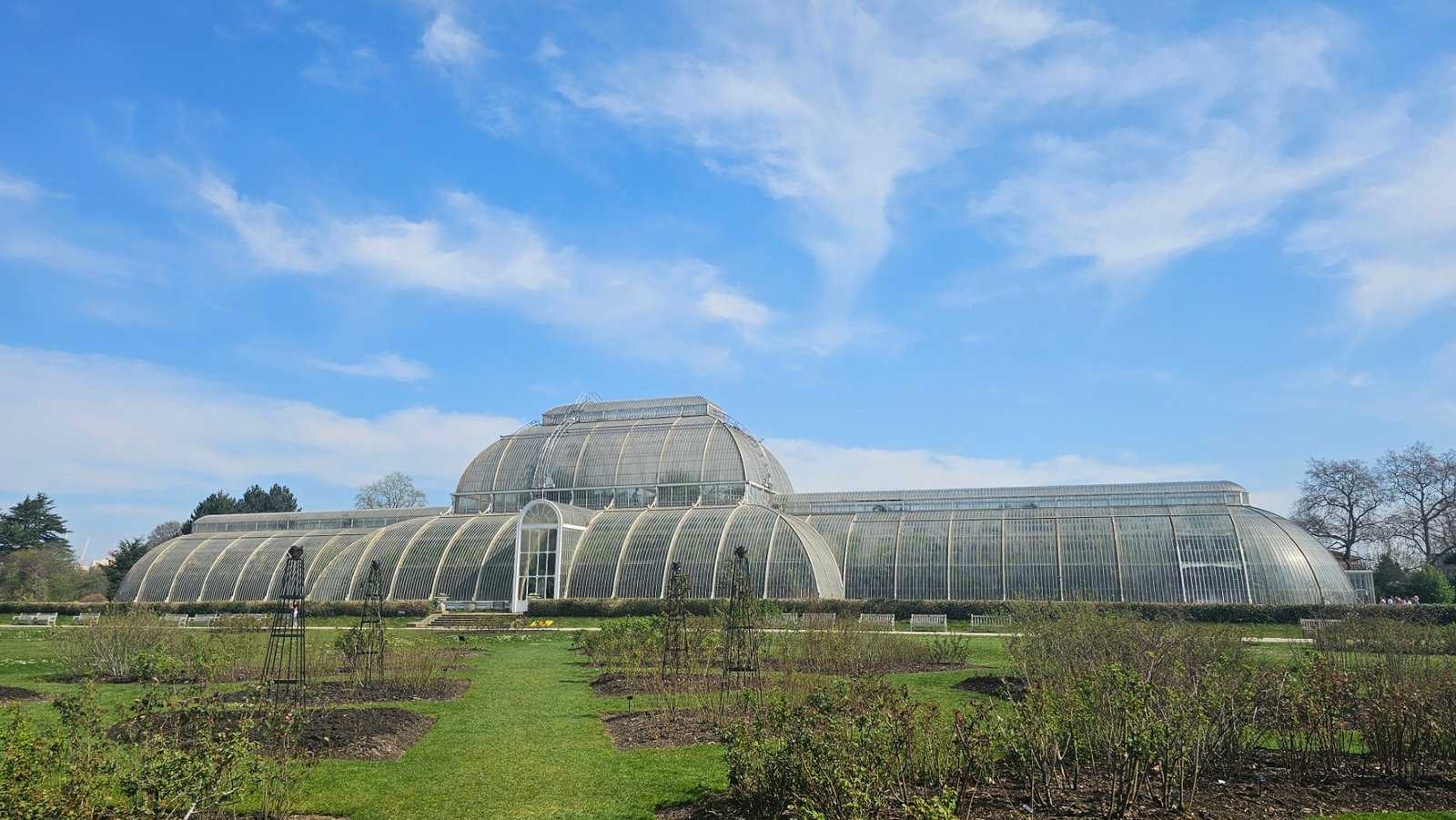
Part 2: Into the Tropics and Up in the Trees – Exploring Kew Garden’s Hidden Worlds
One of the most fascinating features of Kew Gardens is how it seamlessly transports you between climates, continents, and eras through its impressive plant collections and architectural masterpieces. After soaking in the springtime beauty of the cherry blossoms and the quiet, reflective stillness of the Japanese Garden earlier in our trip, we felt ready to dive into the more “exotic” side of the grounds. We ventured deep into the tropical world housed within the Palm House and the sprawling Temperate House, leaving the crisp London air behind for something much more humid and vibrant.

These stunning Victorian-era glasshouses are marvels of both design and engineering, and they really are the beating heart of Kew. The Palm House, with its iconic curved glass and intricate cast-iron frame, immediately envelops you in a thick, warm blanket of humidity the moment you push through the heavy doors. It smells intensely of damp earth, rich compost, and sweet, blooming nectar. For our daughter, this was the highlight of the morning. She spent a good twenty minutes trying to spot the hidden fish in the central pond, pointing out the giant lily pads that looked like they could hold a small child. The sound of water dripping from the massive, prehistoric-looking palm fronds creates a rhythmic, soothing soundtrack that makes you forget you are just a short train ride away from the bustle of central London.
The Temperate House, which holds the title of the largest Victorian glasshouse in the world, offers a different kind of magic. It feels airy, light, and almost cathedral-like in its proportions. We spent our time walking the upper balconies, which give you a bird’s-eye view of the rare and endangered plants from Africa, the Americas, Asia, and the Pacific. My wife and I were particularly struck by the scale of the restoration here—everything looks pristine. It is the perfect place to teach the kids about biodiversity. We played a game of “pick your favorite leaf,” which led to some hilarious debates about which plant would make the best secret jungle hideout.
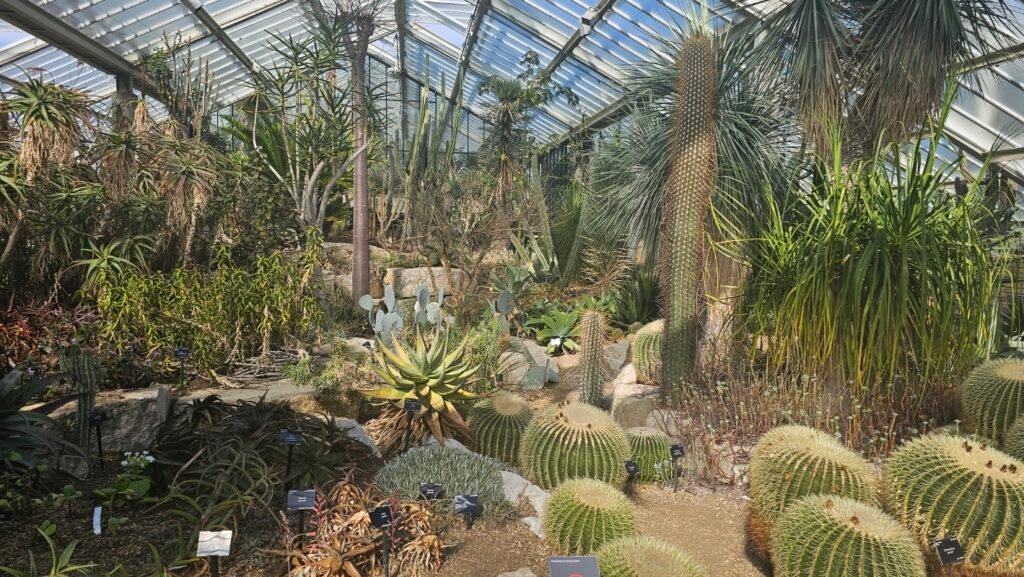
After grounding ourselves in the tropics, it was time to change our perspective entirely. Next up was one of the most exhilarating experiences at Kew: the Treetop Walkway. Suspended 18 meters above the ground, this elevated path lets you wander directly through the canopy of sweet chestnut, oak, and lime trees. As we climbed the stairs, the kid was buzzing with excitement. There is something inherently fun about being at eye level with the birds, and the slight sway of the walkway adds just enough thrill to make it feel like a real adventure.
From the top, the views across the gardens are spectacular. You can see the geometric patterns of the flower beds, the winding paths, and the grand scale of the Great Pagoda in the distance. It is a fantastic way to see Kew from a whole new angle, and honestly, it is the best spot in the entire park to spark curiosity about nature. We stood there for a long time, just watching the wind move through the leaves, which sounded like waves crashing on a distant shore. If you are visiting with kids, don’t rush this part—let them take their time exploring the interactive panels that explain how trees communicate and grow.

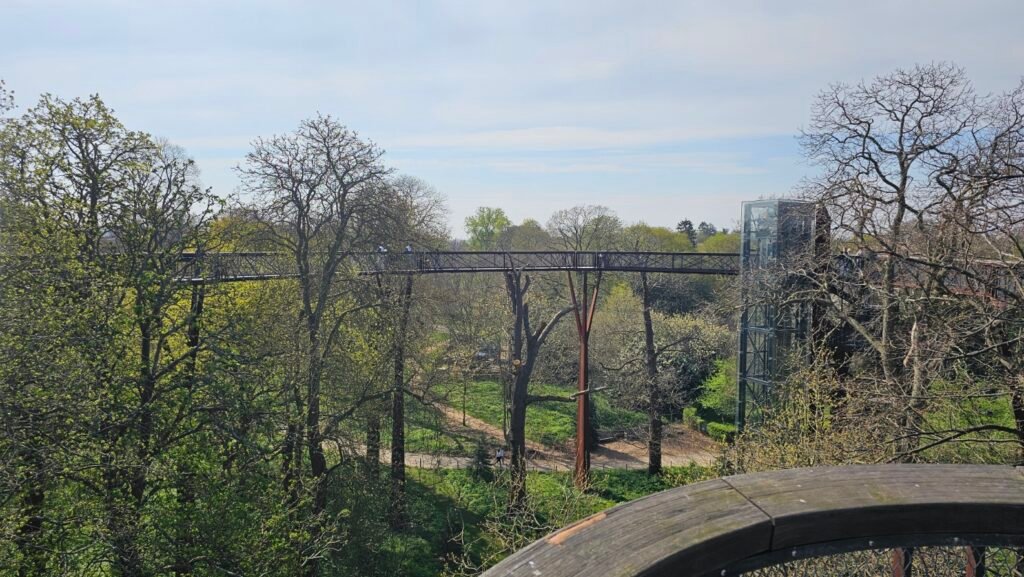
With all that climbing and walking, our energy levels were starting to dip. It was time to refuel. The Orangery Restaurant provided the perfect, sophisticated-yet-welcoming midday break. Set in a beautiful 18th-century building with soaring, vaulted ceilings and natural light pouring through tall windows, it feels like a step back in time. The menu is seasonal and fresh—exactly what you want after a morning of breathing in plant-filtered air. We opted for a mix of savory tarts and fresh salads, while our daughter couldn’t resist one of their freshly baked scones with clotted cream. It is a bit of a treat, but after navigating the massive grounds, it felt entirely earned.

Practical Tips for Your Visit
If you are planning your own family day out, a little strategy goes a long way at Kew. Here are a few things we learned that might help your trip go more smoothly:
- Timing: Arrive as soon as the gates open. The glasshouses can get busy by midday, and the Treetop Walkway is much more enjoyable without a crowd.
- Footwear: This should go without saying, but wear your most comfortable walking shoes. You will easily clock up 10,000 steps before lunch.
- Tickets: Book online in advance. It is slightly cheaper, and it saves you from standing in the ticket queue on a busy weekend.
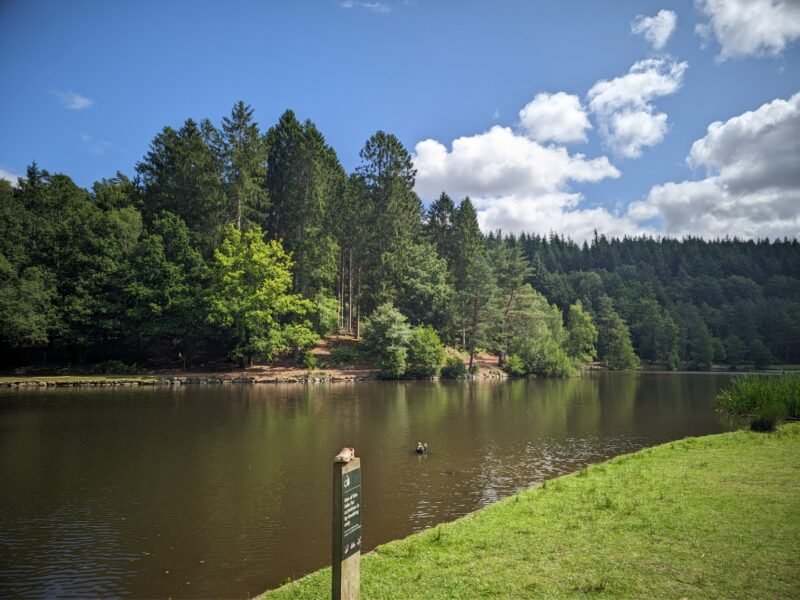
- Picnicking vs. Dining: While The Orangery is lovely, the gardens are massive. If the weather is nice, we highly recommend bringing a picnic blanket and finding a spot near the lake. It’s cheaper and gives the kids more room to roam.
- Facilities: There are plenty of restrooms throughout the gardens, but keep an eye on the map. Some of the older sections have fewer amenities than the main visitor centers.
- Getting Here: Kew Gardens is well-served by the District Line and the Overground. The walk from the station to the Victoria Gate is short and very easy, even for younger children.
Reflections on the Day
What I loved most about this part of our day was the contrast. Going from the sweltering, humid intensity of the Palm House to the breezy, airy heights of the Treetop Walkway reminded us that nature is layered. It is not just about the flowers on the ground; it is about the entire ecosystem from the soil to the sky. Our daughter left the walkway with a handful of questions about photosynthesis and bird migration, which, for us, is the best kind of souvenir from a family trip.
Kew Gardens is one of those places that manages to be educational without ever feeling like a classroom. It provides the space and the beauty for kids to lead their own discovery. Whether you are chasing butterflies in the glasshouses or counting the different types of oak trees from the walkway, you are guaranteed to leave with a bit more wonder than you arrived with. It was the perfect middle chapter to our day, setting us up perfectly for our final, more relaxed explorations.
In Part 3, we explore how to make the most of your final hours at Kew, including the hop-on hop-off train which was a total lifesaver for tired legs, and our top tips to wind down your day in the most relaxing way possible before heading back into the city.
2 thoughts on “Part 2: Into the Tropics and Up in the Trees – Exploring Kew Garden’s Hidden Worlds”