Exploring the Natural Science Museum in Brussels: A Fun and Educational Day Out
On our recent family trip to Brussels, we found ourselves needing a break from the cobblestone streets and the constant consumption of waffles. We wanted something that felt substantial, something that would spark our 11-year-old’s curiosity while giving my partner and me a moment to breathe in a calm, structured environment. We decided on the Royal Belgian Institute of Natural Sciences, often just called the Natural Science Museum. It turned out to be the absolute highlight of our week, proving that you don’t need to be a paleontologist to have a world-class afternoon in the heart of the city.
The museum sits slightly tucked away from the main tourist hubs, which gives it a local, neighborhood feel. As we walked toward the entrance, the architecture struck us—a blend of historic stone buildings and a striking, modern glass-and-steel wing that signals exactly what you’re about to experience: the meeting of ancient history and modern science.
A Vast and Fascinating Collection
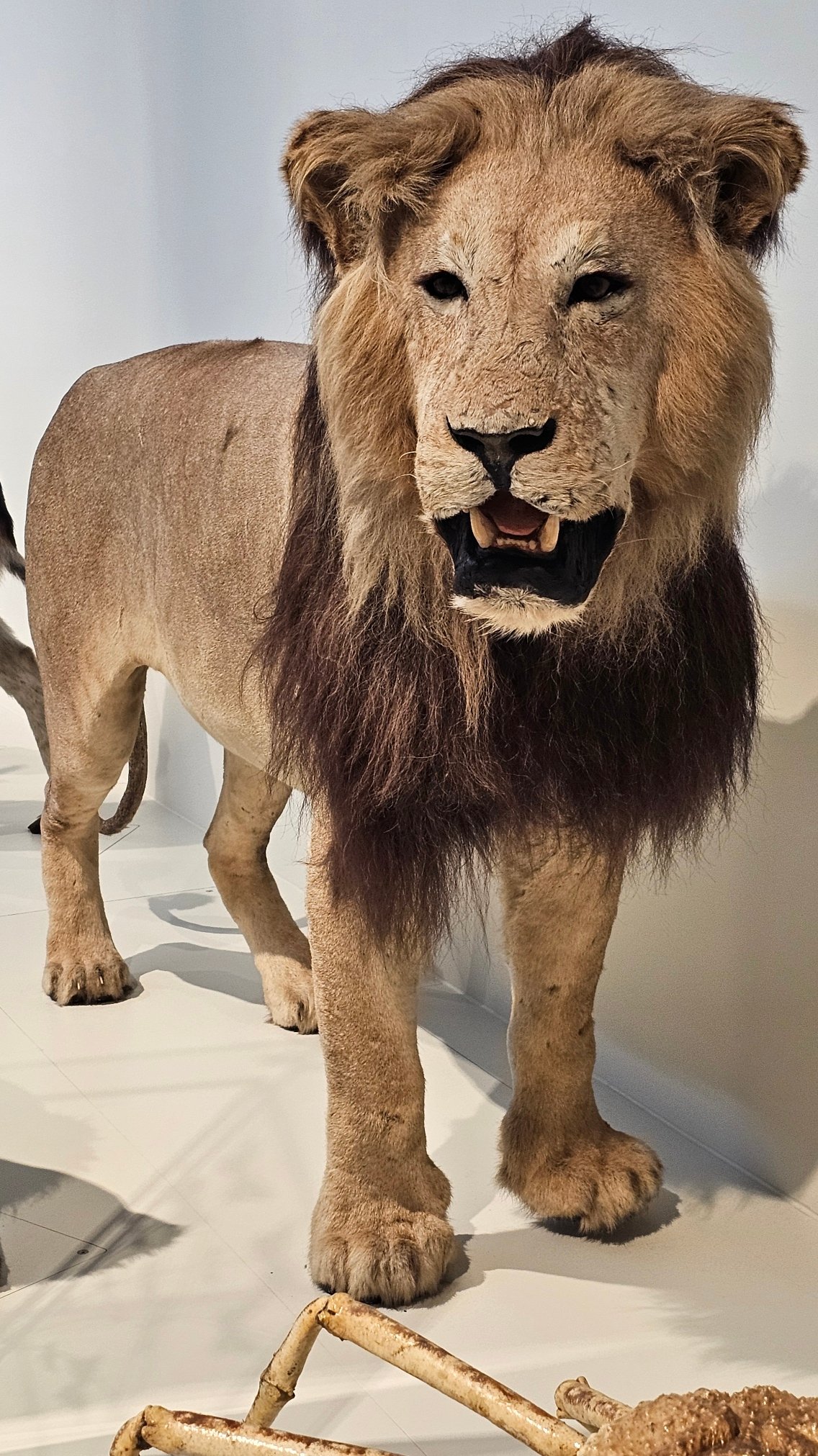
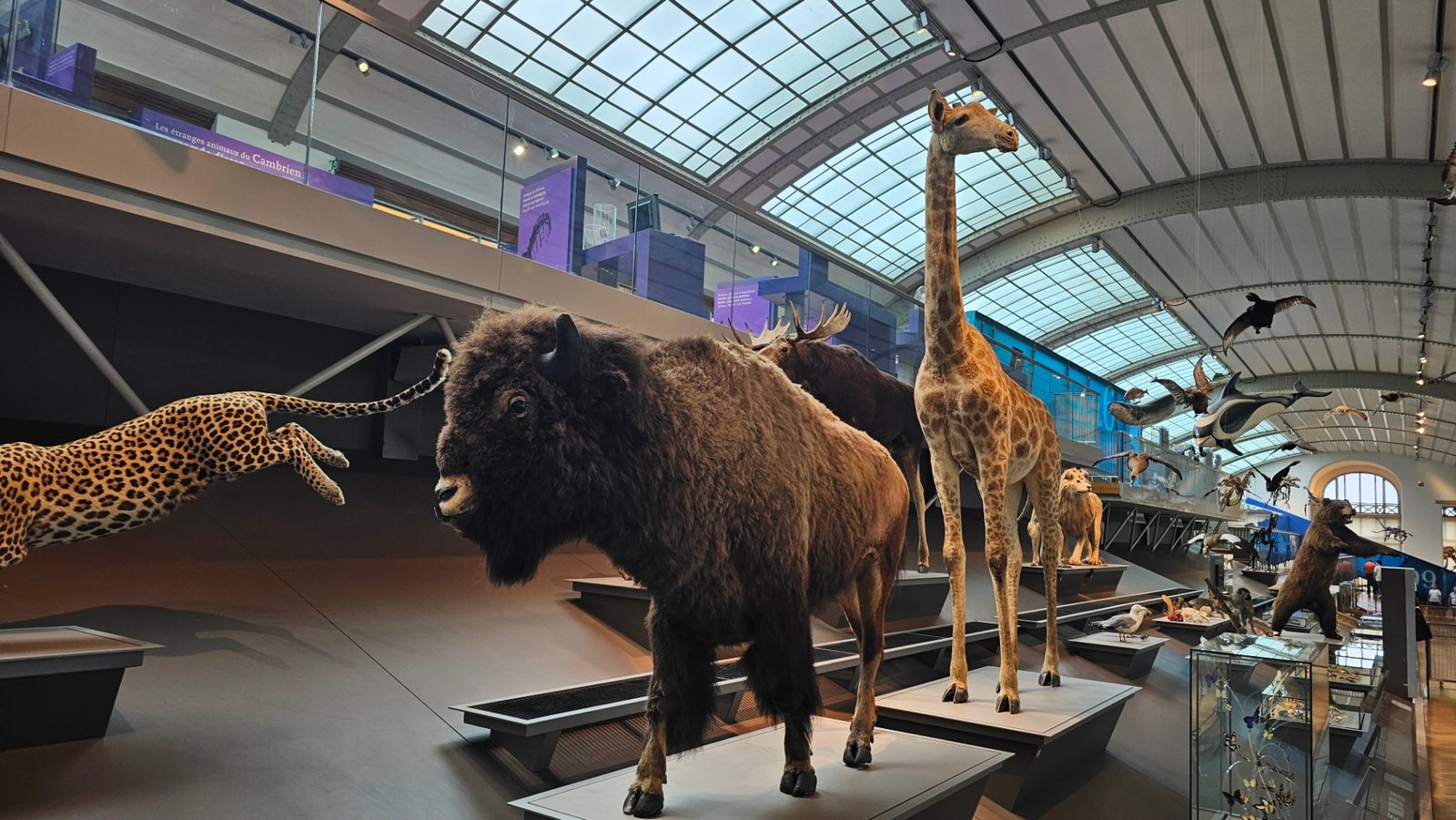
Stepping into the main lobby, the scale of the place hits you. The Natural Science Museum boasts one of the largest collections of natural history artifacts in all of Europe. It’s not just a collection of dusty cabinets; it’s an immersive narrative of our planet. From shimmering minerals and rare meteorites to meticulously preserved taxidermy, the diversity here is staggering.
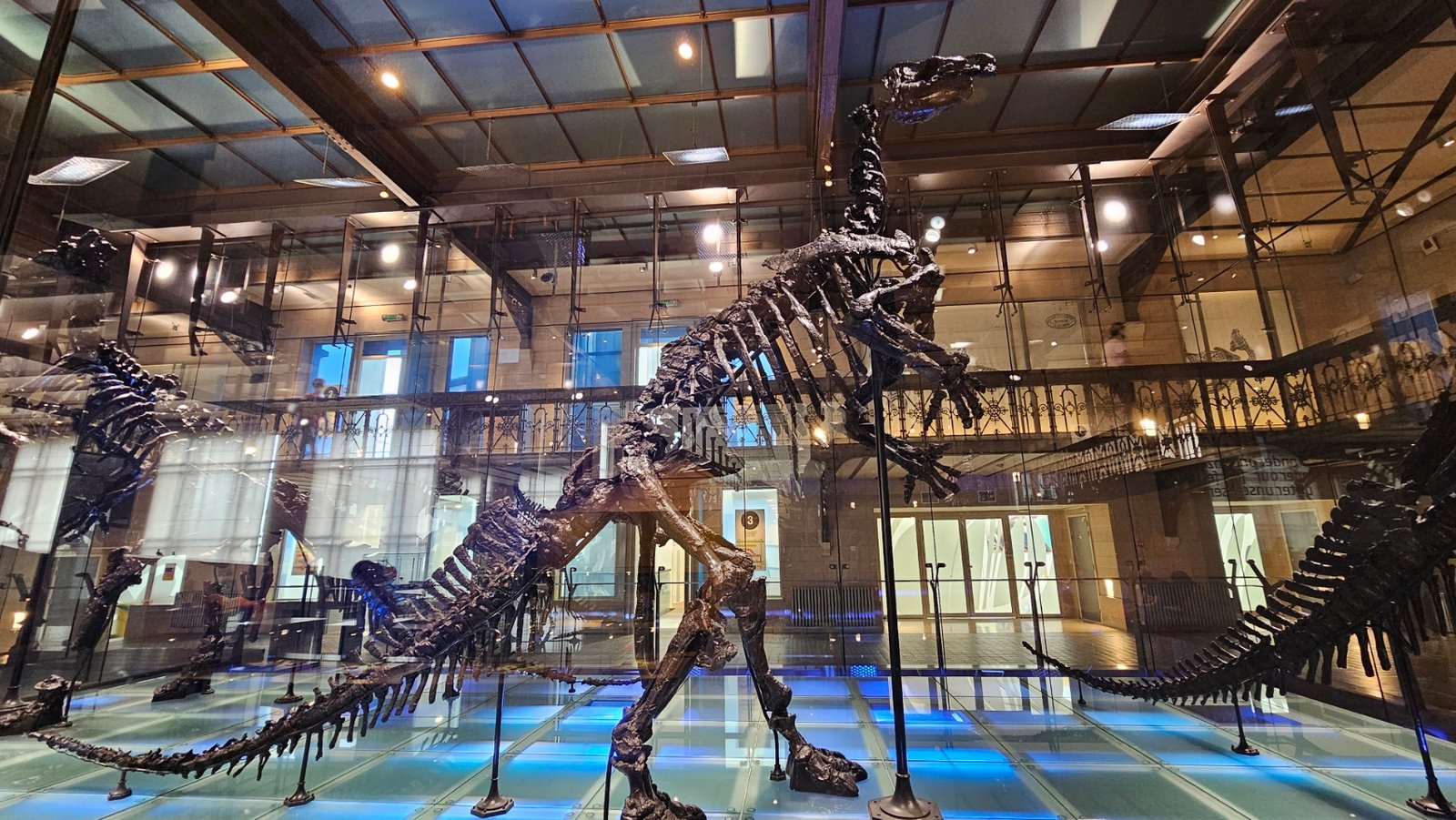
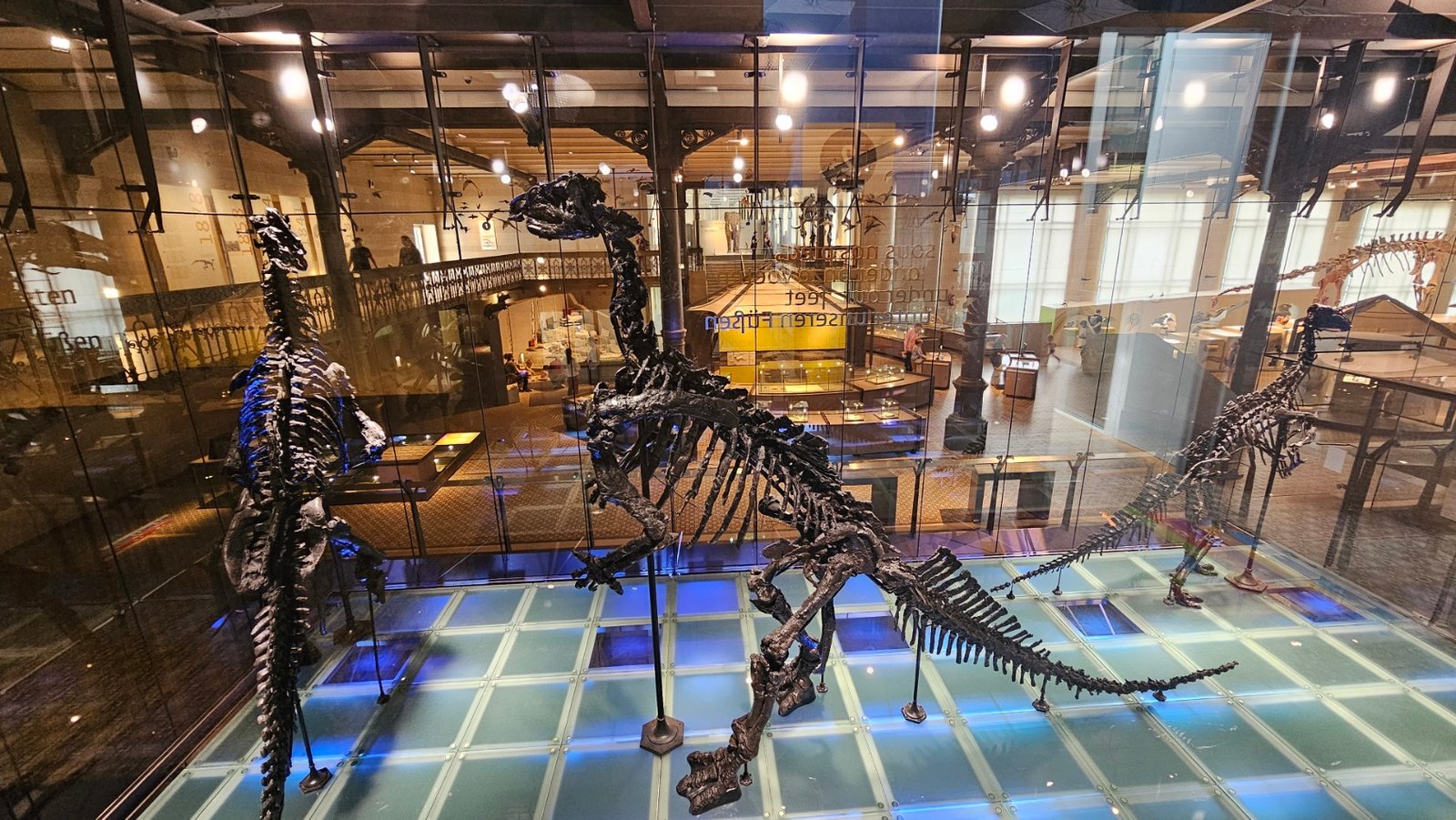
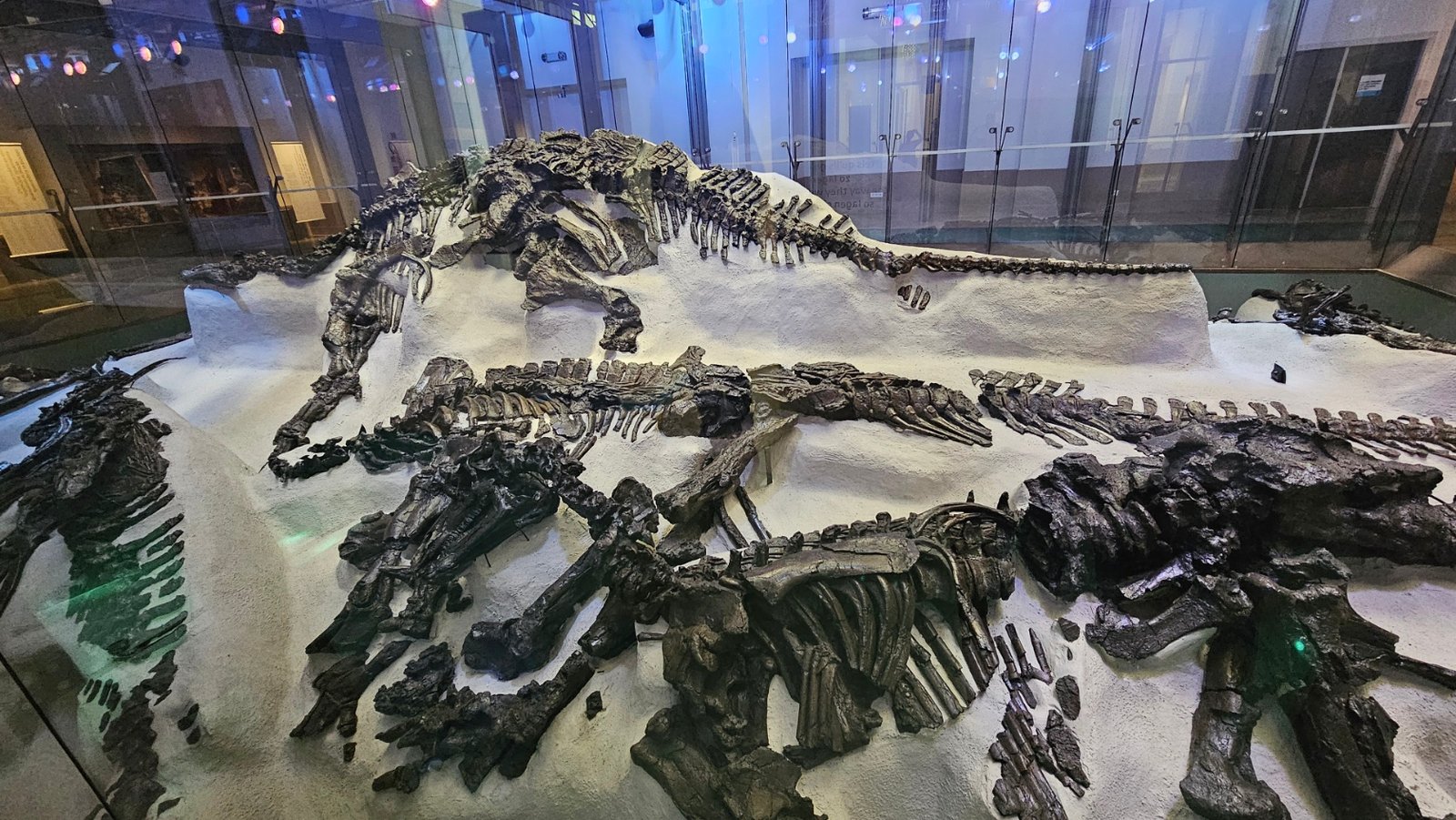
Our daughter was immediately pulled toward the Gallery of Dinosaurs. This isn’t just a room; it’s a massive, cathedral-like space that feels like a prehistoric playground. The centerpiece, without a doubt, is the collection of Iguanodon skeletons. Discovered in a Belgian coal mine back in the 19th century, these skeletons are displayed in dramatic, life-like poses that make you feel as if the floor might start shaking at any second. My partner spent nearly twenty minutes just reading the placards about how they were excavated, while our daughter was busy trying to mimic the poses of the skeletons, much to the amusement of a passing school group.
Engaging and Interactive Displays for All Ages
One of the best aspects of the museum is its focus on interactive exhibits. We have found that at 11, our daughter is at that tricky age where she is too old for “kiddie” displays but still wants to be hands-on. The museum strikes the perfect balance. Throughout the halls, there are touch-screen stations and physical puzzles that explain complex concepts like tectonic plate movement or how fossils are formed.
She particularly loved the “Dino Lab.” This is where the magic really happened for her. She was able to look through microscopes at real fossil samples and try her hand at identifying different bone structures. Seeing her face light up when she successfully matched a tooth to a specific herbivore was a core memory for us. It wasn’t just passive observation; she was doing the work of a scientist. These elements transformed the museum from a place of “do not touch” into a sprawling, exciting adventure.
Practical Tips for a Stress-Free Visit
If you’re planning to visit, here is the honest truth: go early. We arrived around 10:00 AM, just as the doors opened, and we had the place nearly to ourselves for the first hour. By noon, the school groups started to trickle in, but because the museum is so vast, it never felt cramped or chaotic. We spent about four hours total, moving through the Biodiversity wing and the Hall of Evolution, and we never once felt rushed.
The entrance fee is exceptionally reasonable for the quality of the experience. At €13 for adults and €5 for children, it’s a bargain compared to some of the more “touristy” spots in the center of Brussels. We found that buying tickets online in advance saved us a few minutes at the desk, though the queue wasn’t long when we were there. Make sure to check their official website for any ongoing temporary exhibitions, as those change throughout the year and are often well worth the extra bit of time.
A Note on the Café and Surroundings
Now, for the “dad” advice regarding food. The on-site café is convenient, yes, but it is ultimately just okay. The options are somewhat limited—think standard sandwiches, pre-packaged salads, and basic pastries. It’s perfectly fine for a quick coffee while the kid finishes a workbook, but don’t expect a culinary revelation. The prices are what you’d expect for a museum café, but the quality didn’t quite match the high standard of the exhibits themselves.
My advice? Pack a high-energy snack bag for the family. Because the museum is located near the European Quarter, you’re not surrounded by a wide variety of casual bistros or cafes that are open at all hours. If you want a proper meal, walk a bit further toward the Place Jourdan area after you leave. It’s a bit of a hike, but you’ll find better local fare there. We ended up grabbing some frites and local specialties after our museum trek, which hit the spot perfectly after a morning of mental exertion.
Quick Facts for Your Visit
- Opening Hours: Typically Tuesday to Friday, 9:30 AM – 5:00 PM; weekends 10:00 AM – 6:00 PM. Closed on Mondays.
- Getting There: The museum is a short walk from the Trône or Maelbeek metro stations.
- Cost: €13 for adults, €5 for children (under 6 are free).
- Duration: Plan for 3 to 4 hours to see the main highlights without rushing.
- Accessibility: The museum is very stroller and wheelchair friendly with elevators to all levels.
- Pro Tip: Don’t miss the “Hall of Evolution”—it’s easy to walk right past it if you get stuck in the Dinosaur hall for too long!
Final Thoughts
Overall, our trip to the Natural Science Museum was exactly what we needed. It was refreshing to spend a day in a space that celebrates curiosity, science, and the history of our world. Our daughter hasn’t stopped talking about the Iguanodons, and my partner enjoyed the quiet, scholarly atmosphere of the mineral collection. It’s a place that respects its visitors—giving them the space to learn and the tools to explore.
If you are traveling with children who have even a fleeting interest in the natural world, this is a must-see. It isn’t just a museum; it’s a testament to the fact that learning can be just as exciting as the city’s famous chocolate shops and historical squares. We left with tired feet, full brains, and a genuine appreciation for the work being done to preserve our natural history. If you find yourself in Brussels, carve out half a day for this gem—you won’t regret it.