Exploring the Majestic Nijo Castle in Kyoto
On our recent trip to Kyoto, one of the highlights was visiting the historic Nijo Castle. This UNESCO World Heritage site offers a fascinating glimpse into Japan’s feudal era and is a must-visit for history enthusiasts and families alike. While we had seen plenty of temples in the days prior, there was something about the sheer scale of the castle—and the stories of samurai intrigue—that really captured our imagination as a family.
A Step Back in Time
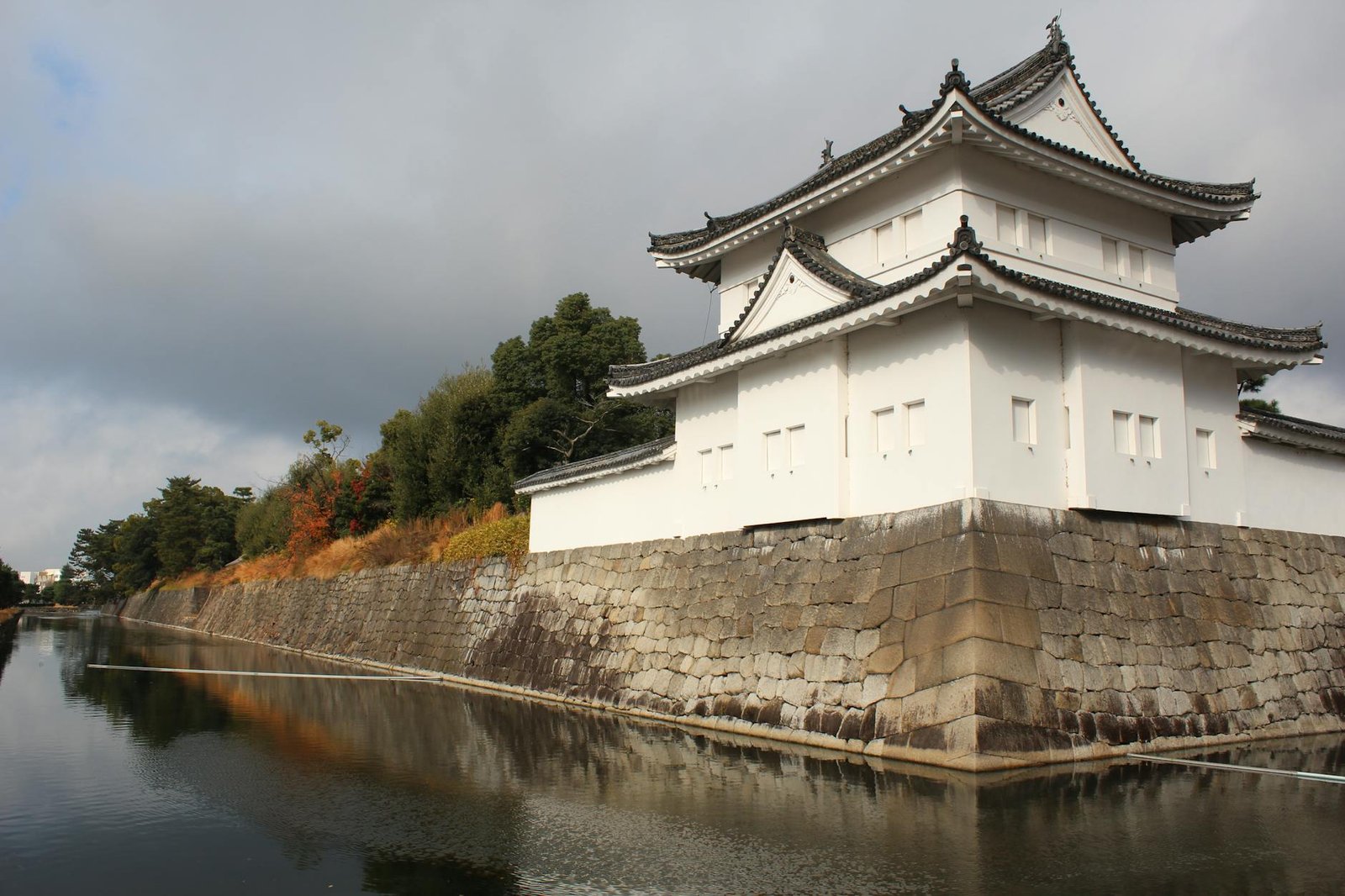
Nijo Castle was built in 1603 as the residence of Tokugawa Ieyasu, the first shogun of the Edo period. The castle complex is vast, featuring impressive moats, stone walls, and beautifully preserved wooden structures. As we walked through the main gate, the sheer weight of history felt palpable. It is one thing to read about the Shogunate in a textbook, but it is entirely another to stand on the same ground where power was once wielded over the entire nation.

My wife, who is usually the history buff of the group, was quick to point out the defensive architecture. The moats were designed to be formidable, and the stone walls are perfectly stacked, a testament to the engineering prowess of the time. For our daughter, the sight of the massive gate was like stepping into a period drama. We spent a good ten minutes just admiring the gold leaf and the intricate carvings of cranes and tigers on the Karamon Gate, which serves as the formal entrance to the Ninomaru Palace.
Exploring the Ninomaru Palace: The Nightingale Floors
The castle grounds are extensive and beautifully maintained, but the heart of the experience is definitely the Ninomaru Palace. Known for its exquisite architecture and stunning interior design, it is a maze of interconnected buildings. The palace is famous for its “nightingale floors,” which are designed to squeak like birds when walked upon—an ingenious primitive security system meant to alert the shogun to the presence of intruders.
Our daughter found this particularly fascinating. She spent a good portion of the walk testing the floorboards, giggling every time she managed to elicit a chirp from the wood. It was a wonderful way to keep her engaged as we moved through the dimly lit corridors. These rooms, decorated with gorgeous wall paintings by the Kano school, tell a story of status. The closer you get to the shogun’s private quarters, the more ornate and imposing the art becomes.
My partner and I were struck by the smell of the place—a mix of aged cedar and old tatami mats. It’s a distinct, earthy scent that instantly grounds you in the history of the building. We had to leave our shoes in lockers at the entrance, so the feeling of the smooth, cool wood beneath our socks added another layer of sensory connection to the architecture.
Strolling Through the Gardens
After touring the palace, we wandered through the castle gardens. The Ninomaru Garden, designed by the famous landscape architect Kobori Enshu, is a masterclass in balance. With its meticulously landscaped ponds, carefully placed stone arrangements, and pruned pine trees, it offered a peaceful, cool respite from the humid Kyoto afternoon. We found a quiet bench near the water and just sat for a while, watching the koi fish darting beneath the surface.
The Seiryu-en Garden, a more modern addition to the complex, was equally enchanting. It features a blend of traditional Japanese aesthetics and Western-style elements, including a large lawn that felt like a breath of fresh air after the tight, enclosed spaces of the palace. It was the perfect spot for the kid to burn off some energy without us worrying about her bumping into precious historical artifacts.
Practical Tips for Families
If you are planning to visit, here is what we learned that might make your trip smoother:
- Timing is everything: Try to arrive right when the gates open at 8:45 AM. By 11:00 AM, the palace corridors can get quite crowded with tour groups, making it harder to move at your own pace.
- Footwear matters: You will be walking in your socks inside the palace, so make sure everyone is wearing clean, comfortable ones. Slip-on shoes are a lifesaver when you are constantly putting them on and taking them off to enter different sections.
- Audio Guides: We highly recommend renting the audio guide at the entrance. It provided just enough context to keep our daughter interested without being too dry or academic.
- Hydration and Snacks: While there is a small shop near the entrance, it’s best to bring a water bottle for everyone, especially if you visit in the summer months when the sun can be intense.
Quick Facts for Your Visit
- Location: Located in central Kyoto, easily accessible via the Tozai Subway Line (Nijojo-mae Station).
- Operating Hours: Generally 8:45 AM to 4:00 PM (gate closes at 5:00 PM). Always check the official website for seasonal changes or maintenance closures.
- Adult Admission: ¥1,030 (includes entry to the palace).
- Junior/High School Students: ¥350.
- Elementary School Students: ¥200.
- Children under 6: Free.
A Perfect Family Outing
Nijo Castle is not only a historical treasure but also a surprisingly family-friendly destination. It’s rare to find a place that can keep an 11-year-old engaged while providing genuine historical depth for the adults. Our daughter loved the “secret agent” aspect of the nightingale floors and spent the rest of the day trying to “walk silently” through our hotel lobby, much to our amusement.
We appreciated that the signage was clear and the paths were well-maintained. Even on a busy day, the sheer size of the grounds meant we never felt trapped in a crowd. It gave us plenty of space to chat, take photos, and just enjoy the experience of being in a completely different world.
Final Thoughts
Nijo Castle is a must-visit when in Kyoto. Its rich history, stunning architecture, and beautiful gardens make it an unforgettable experience that bridges the gap between the past and present. Whether you’re a serious history buff or simply looking for a peaceful and educational outing with your family, Nijo Castle offers a captivating glimpse into Japan’s past that won’t soon be forgotten.
Don’t rush your visit. We found that by giving ourselves three hours, we were able to see the palace, walk the entire garden circuit, and still have time to grab a matcha-flavored ice cream from the vendor near the exit. It was the perfect end to a perfect morning. We left with tired feet, plenty of photos, and a newfound appreciation for the shoguns who once walked these same halls.