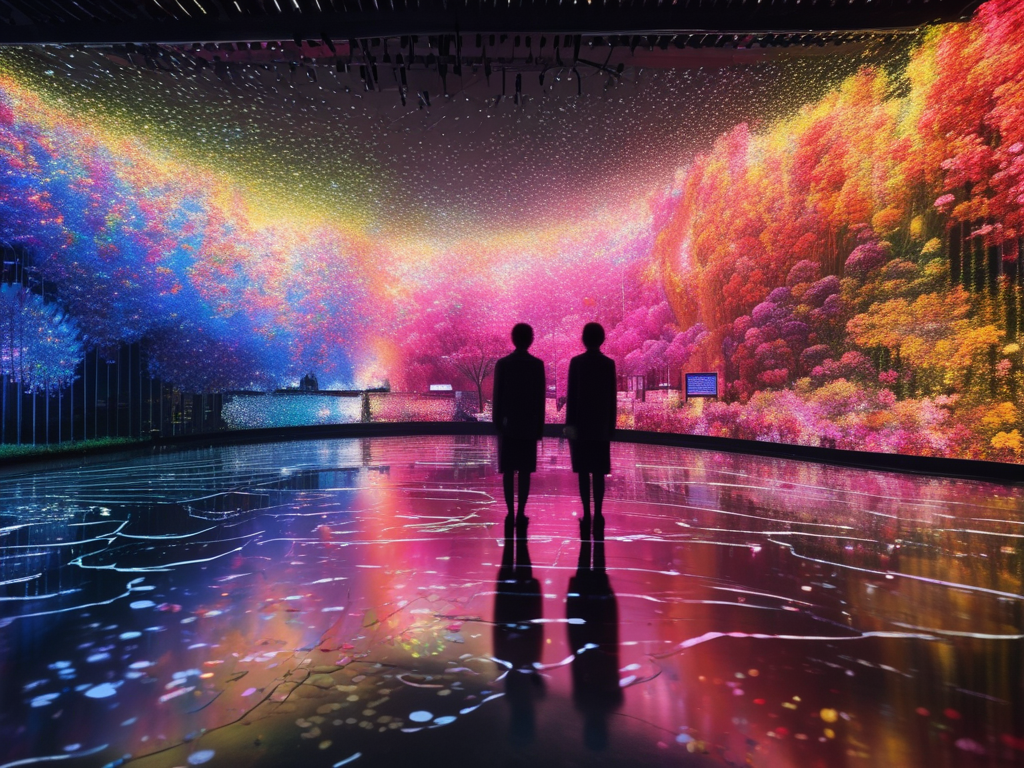
Stepping into a Digital Dream: Our Day at teamLab Borderless
When we began planning our family trip to Japan, there was one name that kept popping up in every guidebook, travel forum, and social media feed: teamLab. To be honest, I was initially skeptical. We’ve been to our fair share of interactive museums and “immersive” exhibits that promised the world and delivered nothing more than a few flickering lights in a dark room. But after spending a day at teamLab Borderless in Azabudai Hills, I can safely say my skepticism was completely misplaced. It wasn’t just a tourist attraction—it was a transformative experience that left all three of us, from my wife to our 11-year-old daughter, absolutely breathless.
The concept behind Borderless is simple yet profound: art without boundaries. The digital installations aren’t static. They flow, move, and interact with the visitors, bleeding from one room into the next. It’s an endless, shifting landscape of color and sound that forces you to abandon your map and just wander. For a family like ours, constantly looking for ways to engage our daughter in something beyond historical shrines and city walking tours, this was a revelation.
The Practical Side: Why You Must Plan Ahead
Let’s get the logistics out of the way first, because this is where many families trip up. You simply cannot just turn up to teamLab Borderless. It is incredibly popular, and tickets sell out weeks, sometimes months, in advance. We made the mistake of waiting until two weeks before our departure, and we were scrambling to find a time slot that worked with our itinerary. Do yourself a favor and book your tickets the moment your travel dates are locked in via the official website.
Getting there requires a bit of navigation. We took the metro, and even after exiting at the nearest station, there is a fair bit of walking involved through the modern, sprawling Azabudai Hills complex. Follow the signage carefully, or you’ll find yourself wandering through a labyrinth of high-end office buildings. Even with pre-purchased tickets, expect a queue. We arrived about 20 minutes before our slot, and there was already a line forming. I highly recommend going as early as possible in the morning—not just to beat the crowds, but to experience the space when the energy is still fresh. The humidity in Tokyo can be unforgiving, so you don’t want to be standing in an outdoor line under the midday sun for longer than necessary.
Inside the Labyrinth: A Sensory Overload
Once you cross the threshold, the world outside ceases to exist. The air is cool, the lighting is dim, and the soundscape is a blend of ambient hums and melodic chimes that seem to vibrate in your very bones. Our daughter was the first to run ahead, her face glowing with a mix of wonder and excitement. She spent nearly twenty minutes in the first room, chasing digital flowers that bloomed and wilted beneath her feet as she walked.
My wife and I found ourselves slowing down, eventually just sitting on the floor in a corner to watch the room transform. The installations rely on complex algorithms that ensure no two moments are ever the same. You might see a waterfall of digital ink cascading down a wall, only for it to be swallowed up by a swarm of butterflies a moment later. It’s a sensory feast, and it’s impossible to capture the scale of it with a smartphone camera. You really have to be there to feel the way the light dances off the walls and the floor.

Creating Core Memories as a Family
What struck me most was the sheer joy on our daughter’s face. At 11, she is at that age where she’s starting to find “museums” a bit dull, but here, she was the explorer. She took the lead, pulling us into hidden corridors and darkened tunnels that we would have likely missed on our own. There was a moment in the ‘Forest of Resonating Lamps’ where the lights shifted from a warm, golden amber to a cool, crystalline blue, and she just stood there in silence, completely mesmerized. Seeing her so connected to the art—not just observing it, but being a part of it—was worth every cent of the entrance fee.
We found ourselves playing a game of ‘find the exit’ that didn’t exist. Since the art is borderless, there are no traditional signs. We let our curiosity guide us. We stumbled upon rooms where we could create our own digital sea creatures—drawing them on paper and watching them come to life on a giant projection screen. My wife spent a good ten minutes trying to draw the perfect jellyfish, while our daughter was busy creating a shark that seemed to terrorize the rest of the digital aquarium. It was one of those rare, unplugged-yet-digital moments where we were all laughing, talking, and working together.

Quick Facts for Your Visit
If you’re planning to visit, keep these practical points in mind to ensure your trip goes smoothly:
- Booking: Book exclusively through the official website. Third-party sites often have significant markups or unreliable availability.
- Timing: Aim for the earliest time slot of the day. You’ll have a better chance of getting photos without too many people in the background.
- Footwear: You will be doing a lot of walking, and some areas have mirrored floors. Wear comfortable shoes and consider your clothing choices—avoid skirts if possible, as the mirrored floors can be revealing.
- Lockers: There are coin-operated lockers near the entrance. Use them. You don’t want to be lugging backpacks or heavy jackets through the exhibits.
- Accessibility: The space is mostly accessible, but because it is dark and features uneven flooring and mirrored surfaces, keep a close watch on younger children or those with mobility issues.
- Duration: Plan for at least 3 to 4 hours. You will get lost, you will want to revisit rooms, and you will need time to rest.
The “Don’t Miss” Moments
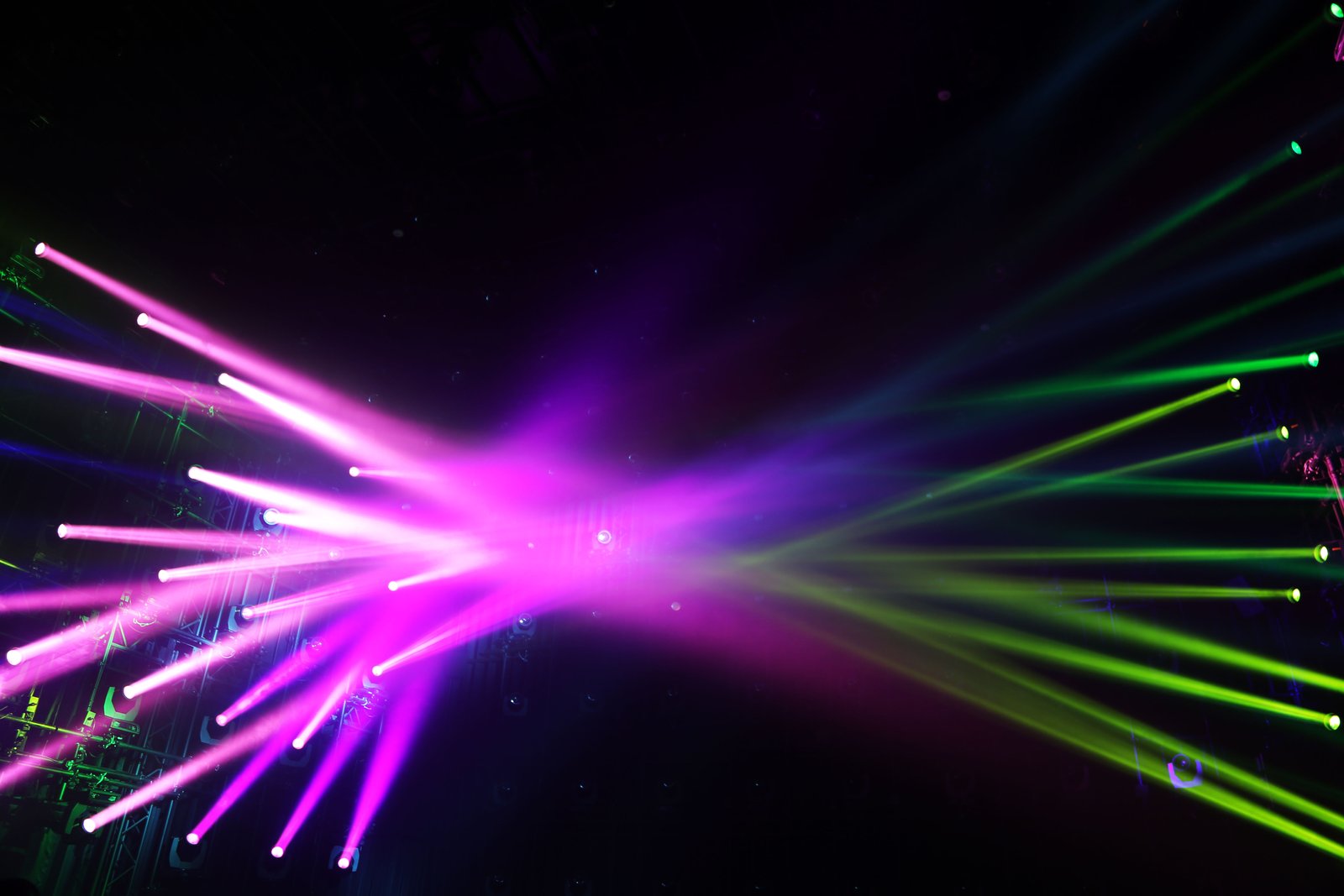
If you’re wondering where to spend the most time, don’t rush through the ‘Universe of Water Particles.’ It’s easy to walk past it to get to the more ‘Instagrammable’ rooms, but if you sit by the base of the projection, the way the water reacts to your presence is incredibly sophisticated. It feels like you’re sitting at the edge of a digital ocean. My wife and I also really appreciated the ‘Light Sculpture’ area, where beams of light create solid-looking geometric shapes in the air. It’s a bit more intense, but the visual impact is stunning.
A word of warning: the sensory input is high. If anyone in your family is sensitive to flashing lights or loud, repetitive sounds, take breaks in the quieter transition areas. We had to step out for a breather after about two hours because the sheer volume of visuals started to feel a bit overwhelming. The benefit of ‘Borderless’ is that you can always find a quiet corner to reset before diving back into the madness.

Is It Worth the Hype?
In short: yes. It is rare that an attraction lives up to the social media hype, but teamLab Borderless is the exception. It’s a masterclass in how to engage the next generation with art. It’s not about teaching them about history or technique; it’s about sparking wonder. When we finally emerged back into the bright Tokyo afternoon, we were all a bit dazed, like we’d just woken up from a vivid dream. We spent the rest of the walk back to the metro discussing which room was our favorite—our daughter voted for the flowers, I loved the water, and my wife was still talking about the light sculptures.
If you are traveling to Tokyo with your family, make this a priority. It’s a break from the traditional sightseeing grind and a chance to experience something truly unique. Just remember to pack your patience for the queues, keep your cameras ready but don’t forget to look up from the screen, and most importantly, let your kids lead the way. You might be surprised by what you find when you stop trying to navigate and start simply experiencing.